Western Herbalism
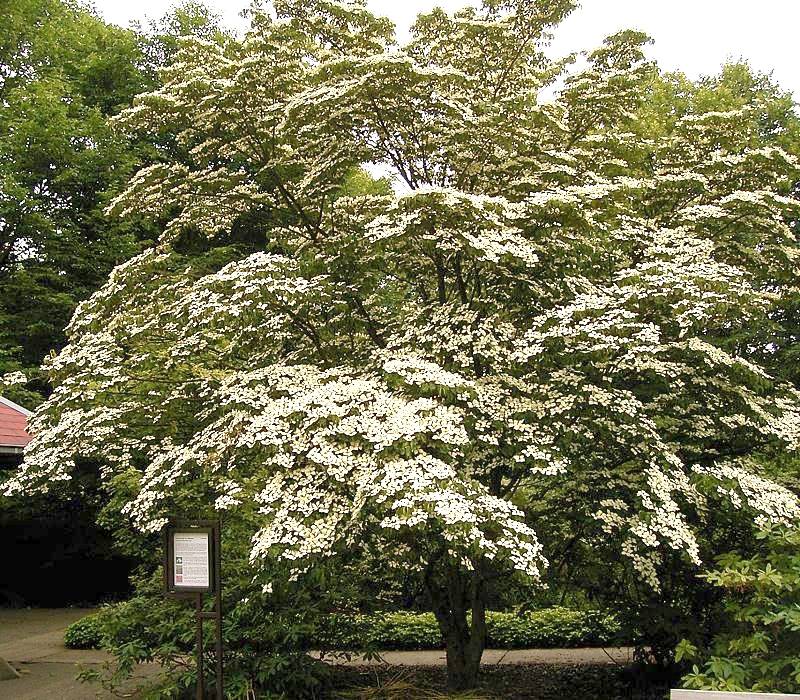
Round-leaved cornel
Cornus circinata
Also known as Round-leaved dogwood, Green osier, Round-leaved cornel or dogwood.
Cornus circinata, now generally recognized botanically as Cornus rugosa, is a shrub of the dogwood family native to shaded hillsides and stream banks across the northern United States and Canada. Physiomedicalist and Eclectic practitioners of the nineteenth century used its dried bark as a bitter tonic and mild astringent, closely related in use to the more widely known flowering dogwood, Cornus florida. It held a modest place as a home-grown substitute for imported cinchona bark in the treatment of intermittent fevers and general debility.

Ask Herbert about Round-leaved cornel. Herbert is the master herbalist inside Bountiful Herbs: he answers from this plate and eleven hundred others, with dosing, pairing and cautions. Your first ten questions are free.
Ask HerbertActions
Indications what the tradition reached for it in
- General debility with poor appetite
- Convalescence after fever
- Low-grade intermittent fevers
- Atonic dyspepsia
- Mild diarrhea with relaxed bowel tone
- Sluggish digestion
- Chronic catarrh of mucous membranes
- Debility of the digestive organs in the elderly
Specific indications
Weak, relaxed digestion with a pale, flabby tongue and poor appetite calling for a warming bitter rather than a purely cooling astringent
Convalescent debility following intermittent fever where tone needs restoring without the harshness of stronger astringents
Safety
Pregnancy: No safety data exist; avoid in pregnancy given the absence of modern toxicological review.
Breastfeeding: No safety data exist; avoid during lactation as a precaution.
The record lists 2 contraindications; open the plate in the library to read them in full.
In practice
This bark was reached for when a gentler alternative to the more strongly astringent Cornus florida was wanted, particularly in cases where tissue tone was already relaxed and a harsh astringent risked further constriction without restoring function.
Dosing as the sources wrote it
| Preparation | As written | Metric |
|---|---|---|
| Decoction | 5-10 g dried bark daily, simmered | 5000-10000 mg |
| Tincture (1:5, 40%) | 2-4 mL three times daily | 2-4 mL |
Doses are reproduced from the sources for practitioners and are not a recommendation for any person.
From the sources
Overview. Cornus circinata, now generally recognized botanically as Cornus rugosa, is a shrub of the dogwood family native to shaded hillsides and stream banks across the northern United States and Canada. Physiomedicalist and Eclectic practitioners of the nineteenth century used its dried bark as a bitter tonic and mild astringent, closely related in use to the more widely known flowering dogwood, Cornus florida. It held a modest place as a home-grown substitute for imported cinchona bark in the treatment of intermittent fevers and general debility.
Clinical Notes. This bark was reached for when a gentler alternative to the more strongly astringent Cornus florida was wanted, particularly in cases where tissue tone was already relaxed and a harsh astringent risked further constriction without restoring function.
Properties and Uses. The bark is a tonic of the rather astringent class; with mild stimulating and somewhat alterant properties. It is less astringent than the cornus florida, but is used in the same general classes of cases. A moderate portion of it may be used to some advantage with relaxant alterants in the treatment of feeble scrofulous ulcers and abscesses, and to make a good application to weak and scrofulous ulcers, and has been spoken of as a wash for scalled-head. Medical Herbalism journal and medherb.com The Physiomedical Dispensatory by William Cook, M.D., 1869
Description. Natural Order, Cornaceae. Genus CORNUS: Shrubs or trees, with mostly opposite leaves, small flowers, and sometimes a very large involucre. Calyx minutely fourtoothed; petals four, oblong, spreading; stamens four, with slender filaments; fruit a small drupe, with a two-celled and two-seeded stone.
Drawn from Cook's Physio-Medical Dispensatory, and the Bountiful Herbs editorial.
Nearby on the shelf
 RoserootRhodiola rosea
 Rosin weedSilphium laciniatum
 Round cardamomWurfbainia compacta
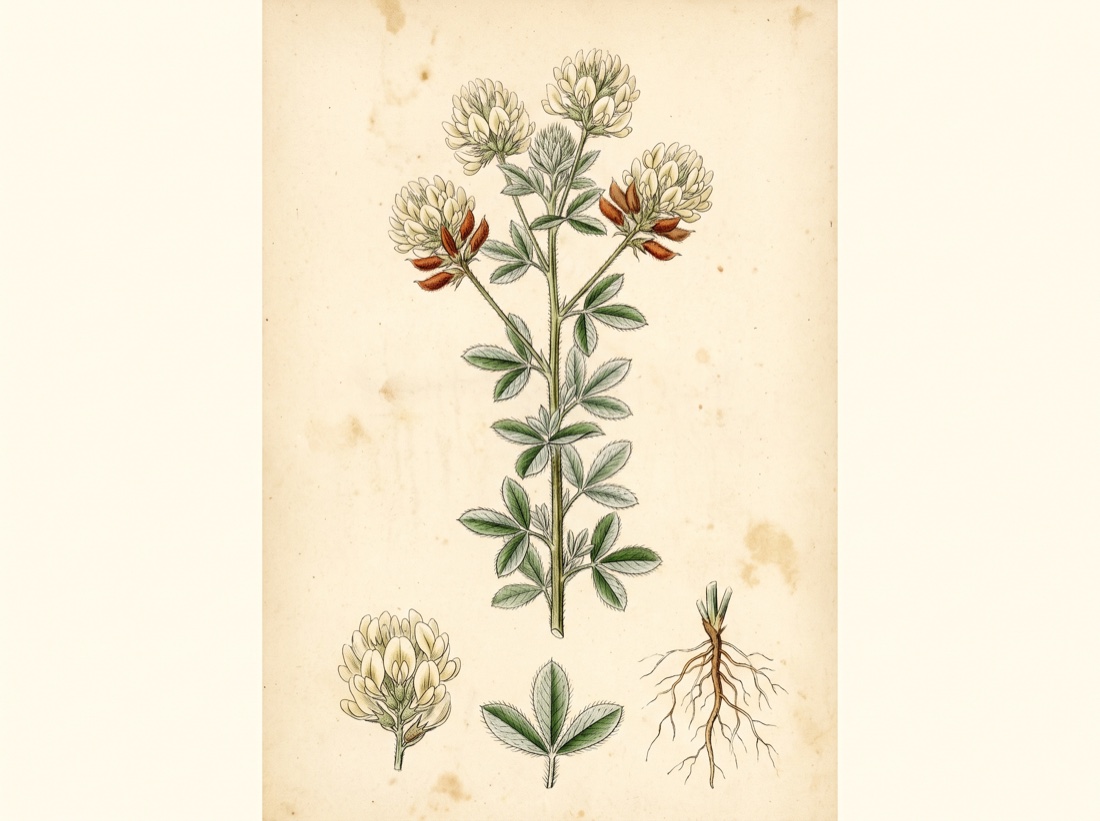 Round-headed bush cloverLespedeza capitata
 Royal fernOsmunda regalis
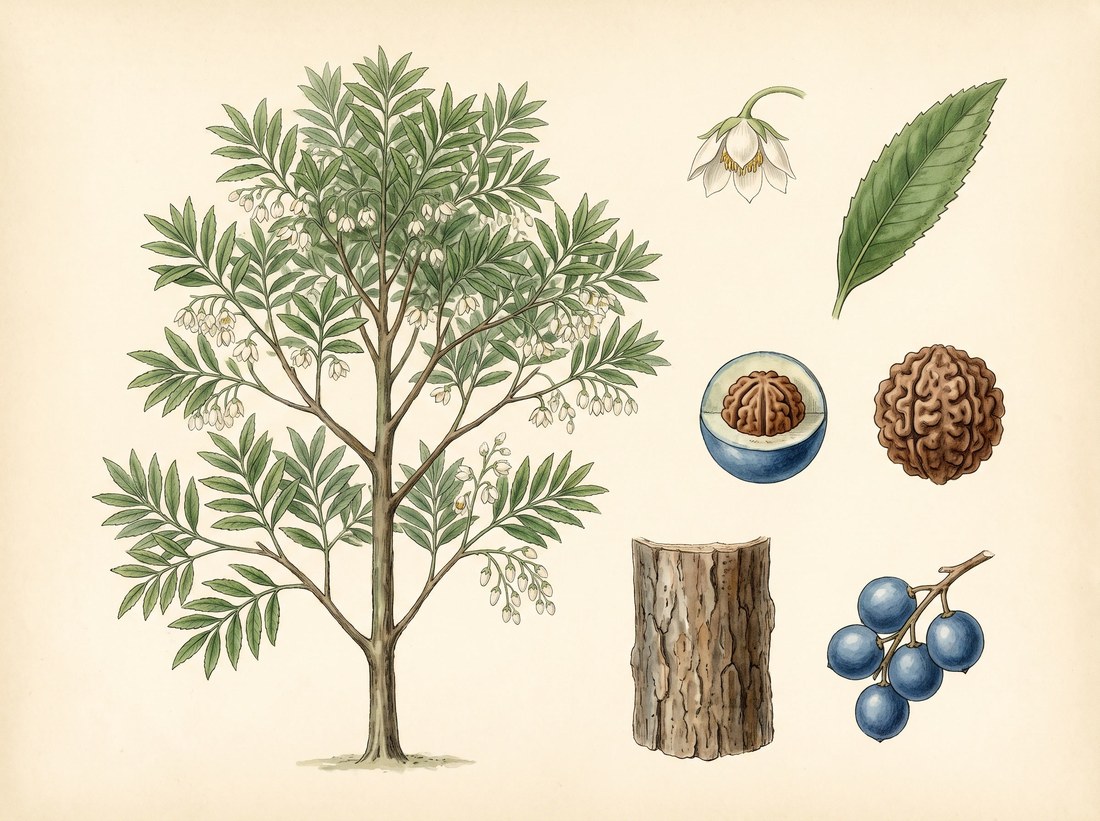 RudrakshaElaeocarpus ganitrus
 RueRuta graveolens
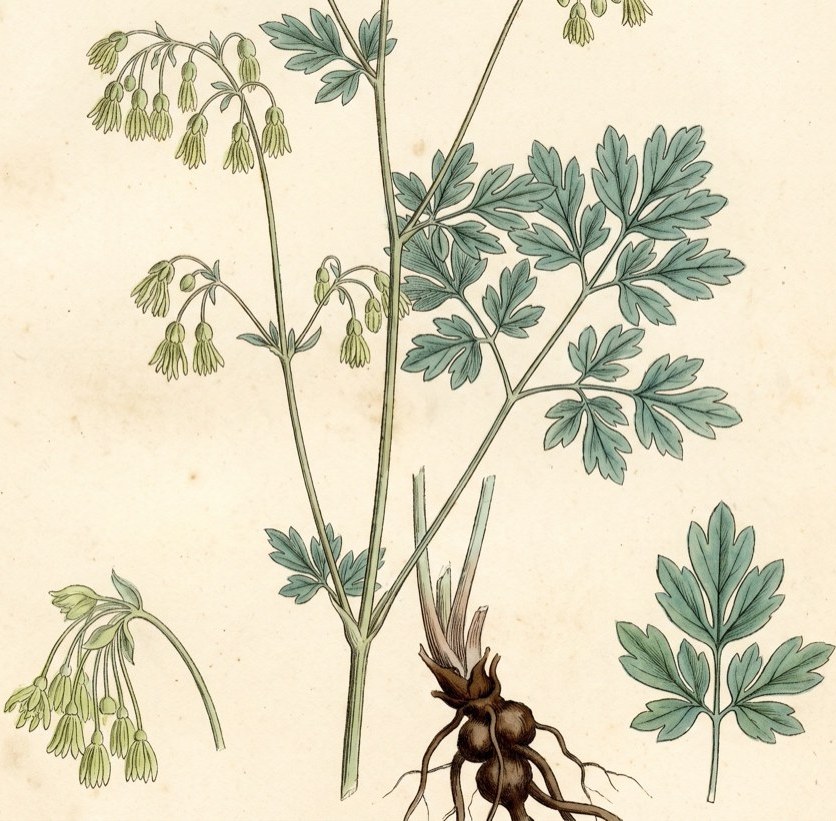 Rue AnemoneThalictrum
The whole plate is in the library. The compass, Compare, the Sky of eleven hundred plants and the formulary open with an email address and a password, free, with the formula builder and its safety engine. Herbert without limit, his formulating, clients, the handouts and the labels are the paid room.
Open the library, free