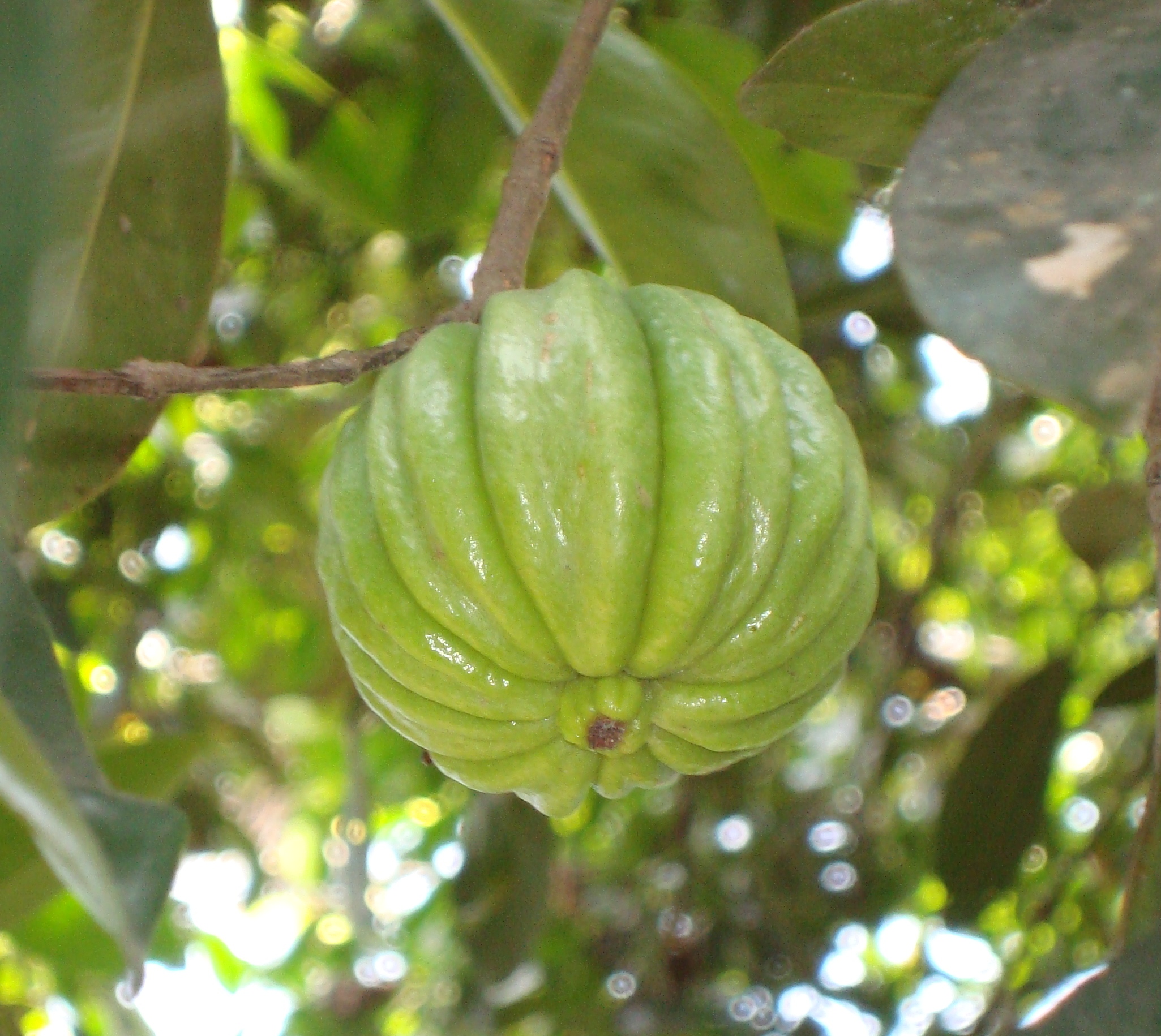
Western and Ayurvedic herbalism
Malabar tamarind
Garcinia cambogia
Also known as gambooge, brindleberry, kudam puli, fish tamarind, Garcinia cambogia, Vrikshamla, Amlavriksha, Kankushtha.
Garcinia cambogia, now accepted as Garcinia gummi-gutta, is a medium sized evergreen tree of the Western Ghats from Konkan through Kerala and into Sri Lanka, whose ribbed yellow fruits are dried and smoked to a black, sour rind used in Kerala fish curries. Ayurveda counts the sour rind among the Vrikshamla drugs, warming digestives that kindle appetite, bind loose stools and reduce kapha. In the last thirty years it has become known worldwide as the source of hydroxycitric acid sold for weight loss.

Ask Herbert about Malabar tamarind. Herbert is the master herbalist inside Bountiful Herbs: he answers from this plate and eleven hundred others, with dosing, pairing and cautions. Your first ten questions are free.
Ask HerbertActions
Indications what the tradition reached for it in
- Obesity with sluggish digestion and kapha accumulation
- Hypertriglyceridemia
- Metabolic syndrome as an adjunct
- Poor appetite with heaviness after meals
- Loose stools and mucus in the stool
- Hemorrhoids with sluggish bowel
- Bloating and flatulence
- Chronic indigestion in cold, damp constitutions
- Cravings for sweets during weight loss programs
- Intestinal worms (traditional)
- Obesity
- Excess weight
- Appetite suppression
- Lack of satiety
- Stomach complaints
- Inflammation
- Egyptian
- Weight management
Specific indications
A heavy, cold, lethargic kapha patient who gains weight easily, eats from habit rather than hunger and feels dull after meals
Loose, mucousy stools with a slow digestion and a swollen belly, where a sour, warming astringent is wanted rather than a cooling one
The dieting patient with raised triglycerides who needs an appetite steadier and a digestive at the same time
Vata-kapha indigestion with gas, low appetite and cold hands where sour taste kindles the fire
Safety
Recognised toxicity. This plant carries a toxicity flag in the record; it is for trained practitioners only.
Pregnancy: Avoid concentrated extracts in pregnancy for lack of data and because of hepatic concerns; no published safety class is known to us, and the culinary rind in food amounts is not restricted by the tradition.
Breastfeeding: Avoid the extract while nursing for lack of data; the rind used as a food seasoning is acceptable.
The record lists 10 contraindications; open the plate in the library to read them in full.
In practice
In Ayurvedic practice Vrikshamla is a kitchen medicine as much as a dispensary one. Its sour, astringent rind is used for grahani and loose stools, for hemorrhoids with a slow bowel, for poor appetite and for the kapha type of obesity in which the patient is heavy, cold, damp and never quite hungry.
In Ayurveda
Rasa: amla (sour), kashaya (astringent). Virya: ushna (heating). Vipaka: amla (sour). Guna: laghu (light), ruksha (dry). Dosha: pacifies vata and kapha; aggravates pitta in excess. Karma: deepana (kindles digestion); pachana (digestive); rochana (improves taste and appetite); grahi (binds the stool); hridya (cardiac tonic); anulomana (moves vata downward); medohara (reduces fat, modern usage); krimighna (anthelmintic). Classical indications: arsha (hemorrhoids); grahani (malabsorption with irregular stool); gulma (abdominal mass or bloating); udara (abdominal distension); hridroga (heart disease); aruchi (loss of appetite); krimi (worms); sthaulya (obesity, in modern Ayurvedic usage). The dried fruit rind is the drug, used as a souring agent in food, as churna with warm water, as a decoction, and in the modern era as a standardized extract of the rind. The pulp makes a sour drink taken for digestion and heat. Classical formulations: Vrikshamla churna, Vrikshamla kwatha, Chinchadi lehya (as a sour ingredient in some regional recipes), Kudampuli rasam (dietary). Described in: Charaka Samhita, Bhavaprakasha Nighantu, Kaiyadeva Nighantu, Raja Nighantu.
Dosing as the sources wrote it
| Preparation | As written | Metric |
|---|---|---|
| Churna (rind) | 3-6 g powdered fruit rind once or twice daily before meals with warm water | 3000-6000 mg |
| Kwatha | 50-100 mL rind decoction twice daily | 50-100 mL |
| Standardized extract | 500-1500 mg hydroxycitric acid daily in divided doses before meals for up to 12 weeks | 500-1500 mg |
| Dietary | 2-5 g dried rind daily cooked into food or buttermilk | 2000-5000 mg |
| Dried extract | Dried extract (fruit peel std to 50-60% HCA) 1.5-2g before meals, 2-3g daily for up to 12 weeks oral | 1500-2000 mg |
| 500mg 3-4x daily before meals | 500 mg |
Doses are reproduced from the sources for practitioners and are not a recommendation for any person.
From the sources
Overview. Garcinia cambogia, now accepted as Garcinia gummi-gutta, is a medium sized evergreen tree of the Western Ghats from Konkan through Kerala and into Sri Lanka, whose ribbed yellow fruits are dried and smoked to a black, sour rind used in Kerala fish curries. Ayurveda counts the sour rind among the Vrikshamla drugs, warming digestives that kindle appetite, bind loose stools and reduce kapha. In the last thirty years it has become known worldwide as the source of hydroxycitric acid sold for weight loss.
Clinical Notes. Primarily used in modern context for weight management as extract standardized to HCA traditional culinary use as preservative and for stomach complaints reports of hepatotoxicity with supplements evidence for weight loss modest/mixed NCCIH no well-documented traditional herbal energetics/actions in pharmacopoeias
Clinical Notes. In Ayurvedic practice Vrikshamla is a kitchen medicine as much as a dispensary one. Its sour, astringent rind is used for grahani and loose stools, for hemorrhoids with a slow bowel, for poor appetite and for the kapha type of obesity in which the patient is heavy, cold, damp and never quite hungry.
indications. Garcinia cambogia is traditionally indicated for: Obesity, Excess weight, Appetite suppression, Lack of satiety, Stomach complaints, Inflammation, Egyptian, Weight management.
Nearby on the shelf
 Mai Men DongOphiopogon japonicus
 MaidenhairAdiantum
 Maidenhair treeGinkgo biloba
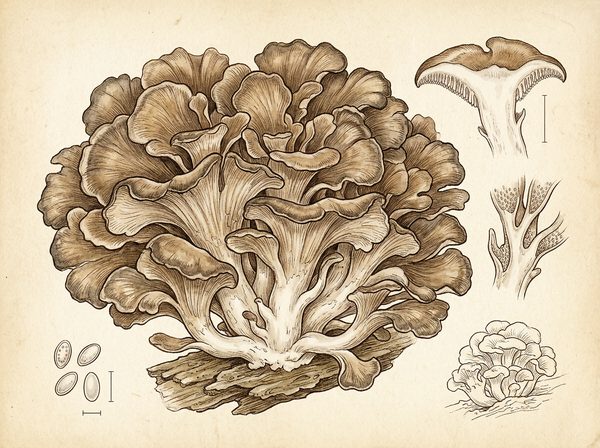 MaitakeGrifola frondosa
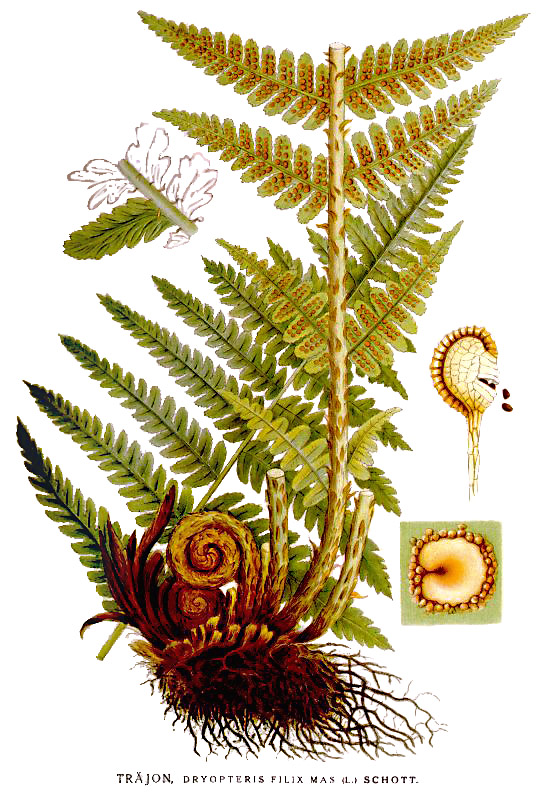 Male fernDryopteris filix-mas
 MaltMaltum
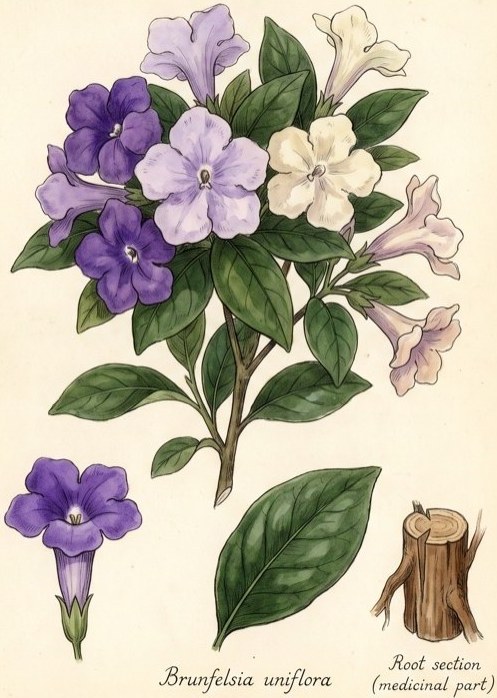 ManacaFranciscea uniflora
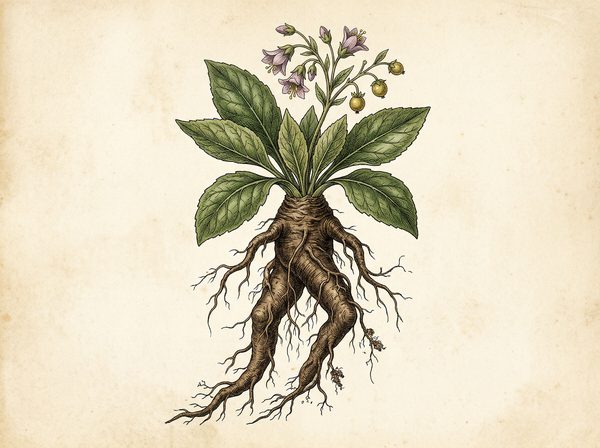 MandrakeMandragora officinarum
The whole plate is in the library. The compass, Compare, the Sky of eleven hundred plants and the formulary open with an email address and a password, free, with the formula builder and its safety engine. Herbert without limit, his formulating, clients, the handouts and the labels are the paid room.
Open the library, free