Western Herbalism
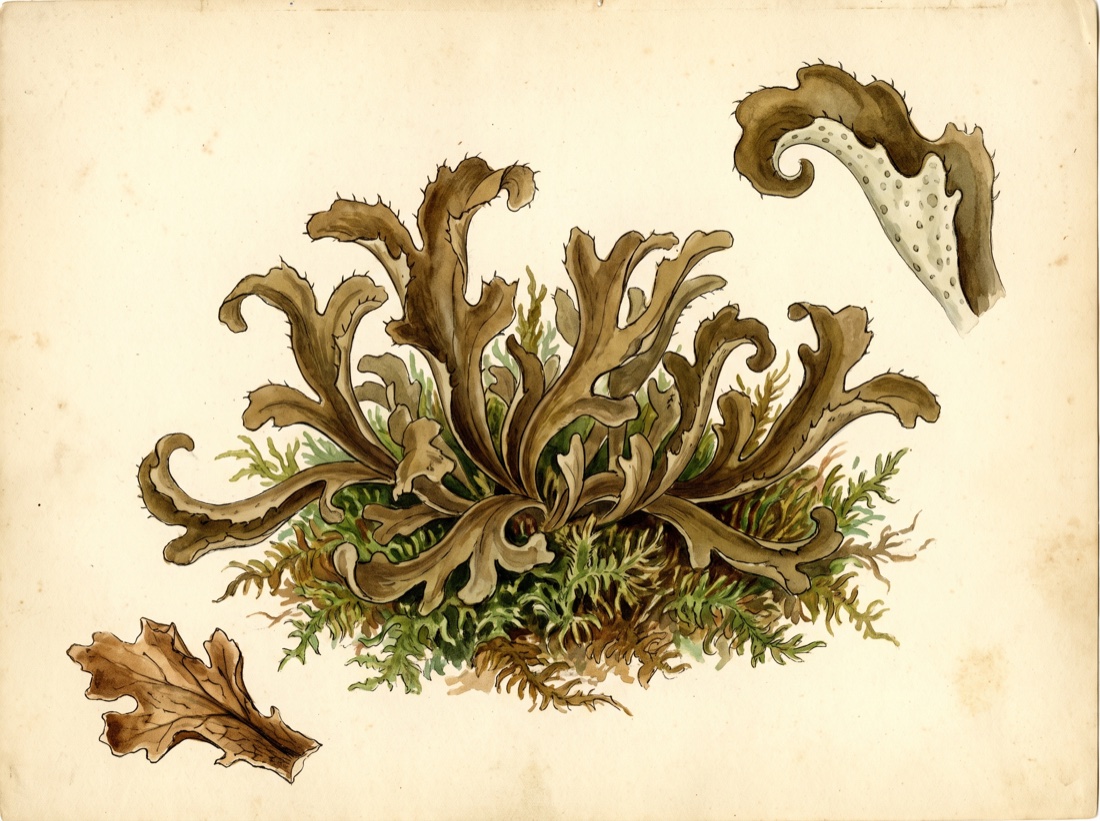
Iceland moss
Cetraria
Also known as Iceland lichen, Cetraria.
Iceland moss is not a true moss but a lichen, a slow-growing symbiotic organism of fungus and alga that carpets rocky, cold-temperate ground across Scandinavia, Iceland, and other northern regions. The whole dried thallus is the part used. It has a long history in northern European folk and eclectic medicine as a mild, mucilaginous demulcent for irritated airways and as a gentle bitter to rouse a flagging appetite, and it was once used as an emergency food source in times of famine once its bitterness was leached out.

Ask Herbert about Iceland moss. Herbert is the master herbalist inside Bountiful Herbs: he answers from this plate and eleven hundred others, with dosing, pairing and cautions. Your first ten questions are free.
Ask HerbertActions
Indications what the tradition reached for it in
- Dry irritating cough
- Chronic bronchitis with scanty mucus
- Pharyngitis and sore throat
- Catarrh of the upper respiratory tract
- Anorexia during convalescence
- Dyspepsia with weak appetite
- Mild gastritis
- General debility after illness
- Chapped or irritated mucous membranes
Specific indications
Dry, hacking, unproductive cough with a raw, tickling throat that is soothed rather than loosened by moisture
Poor appetite and weak digestion in a convalescent, elderly, or debilitated patient who needs a gentle bitter nutritive rather than a strong stimulant
Safety
The record lists 1 contraindication; open the plate in the library to read them in full.
In practice
Iceland moss earns its place as a soft, unassuming remedy for the dry, tickly, unproductive cough that keeps a patient awake, particularly where the throat feels raw rather than congested. Because the lichen carries both mucilage and bitter principles, how it is prepared changes what it does: a cold water macerate for several hours draws out mostly mucilage and gives a soothing demulcent drink well suited to sore throat or dry cough, while a short decoction extracts more of the bitter lichen acids and makes a better digestive tonic taken before meals to lift a poor appetite in convalescence.
Dosing as the sources wrote it
| Preparation | As written | Metric |
|---|---|---|
| Cold macerate (for demulcent effect) | 2-4 g dried thallus steeped in cold water for several hours, up to three times daily | 2000-4000 mg |
| Decoction (for bitter tonic effect) | 1-3 g dried thallus simmered briefly, taken before meals up to three times daily | 1000-3000 mg |
| Tincture (1:5) | 2-4 mL three times daily | 2-4 mL |
| It is said to prove an efficient febrifuge in 2 or 3 grain doses, administered every 2 or 3 hours. | 194 mg | |
| Dose in powder | Dose in powder, 30 to 60 grains; of cetrarin, 1 ½ to 3 grains. | 1944-3888 mg |
Doses are reproduced from the sources for practitioners and are not a recommendation for any person.
From the sources
Overview. Iceland moss is not a true moss but a lichen, a slow-growing symbiotic organism of fungus and alga that carpets rocky, cold-temperate ground across Scandinavia, Iceland, and other northern regions. The whole dried thallus is the part used. It has a long history in northern European folk and eclectic medicine as a mild, mucilaginous demulcent for irritated airways and as a gentle bitter to rouse a flagging appetite, and it was once used as an emergency food source in times of famine once its bitterness was leached out.
Clinical Notes. Iceland moss earns its place as a soft, unassuming remedy for the dry, tickly, unproductive cough that keeps a patient awake, particularly where the throat feels raw rather than congested. Because the lichen carries both mucilage and bitter principles, how it is prepared changes what it does: a cold water macerate for several hours draws out mostly mucilage and gives a soothing demulcent drink well suited to sore throat or dry cough, while a short decoction extracts more of the bitter lichen acids and makes a better digestive tonic taken before meals to lift a poor appetite in convalescence.
Drawn from King's American Dispensatory, 18th edition (Felter and Lloyd), and the Bountiful Herbs editorial.
Often paired with
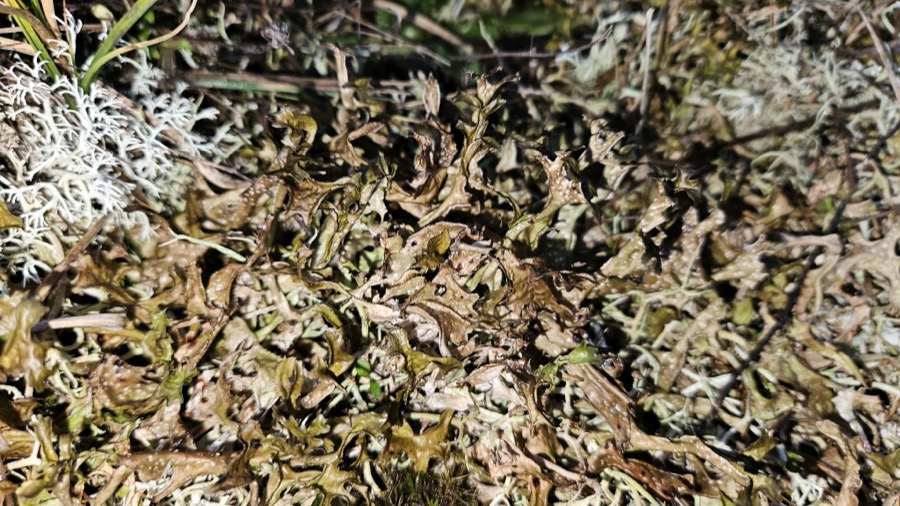 Iceland mossCetaria islandica
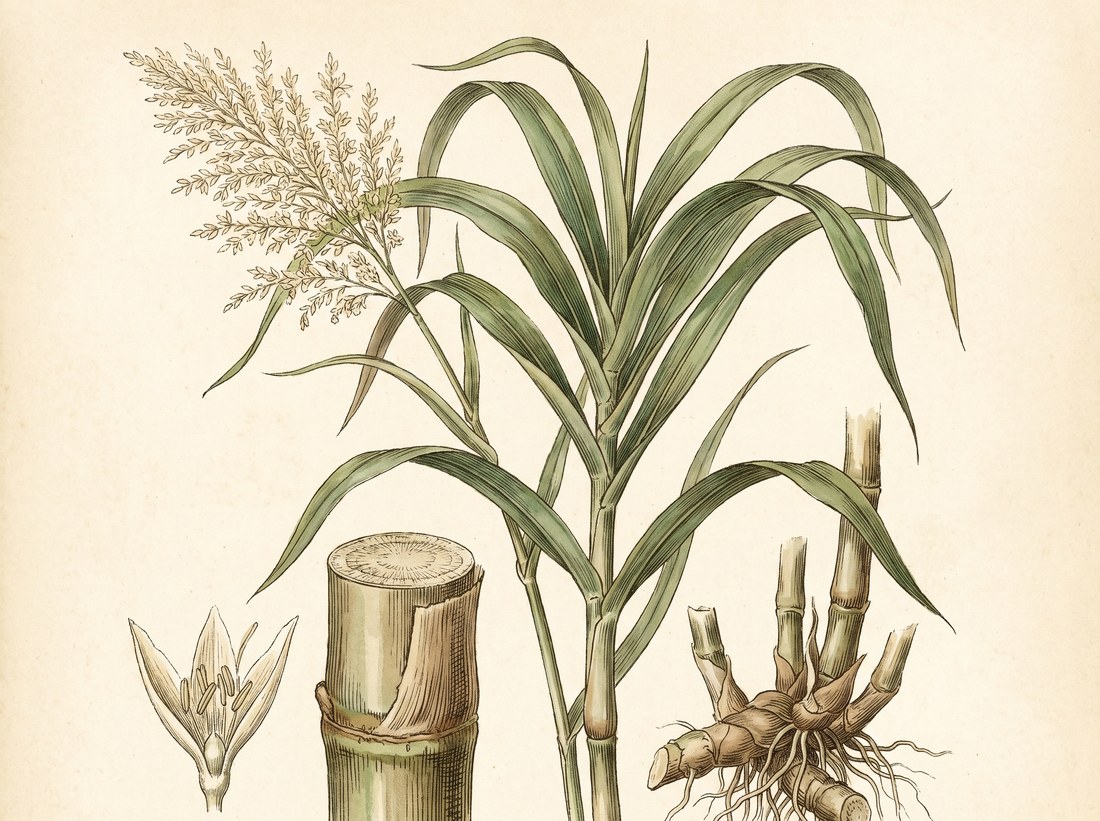 SugarSaccharum
Nearby on the shelf
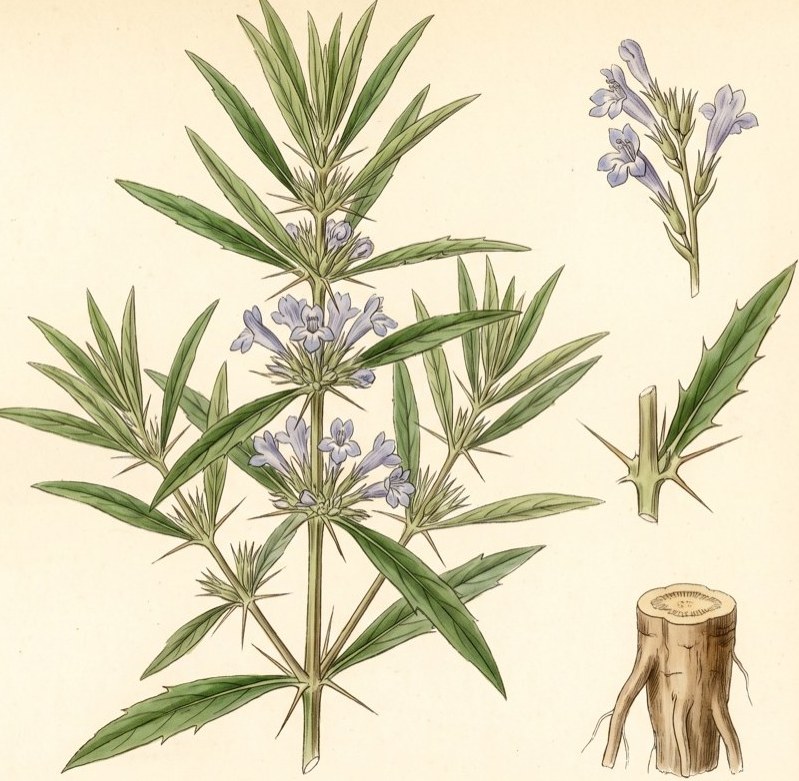 HygrophilaHygrophilia spinosa
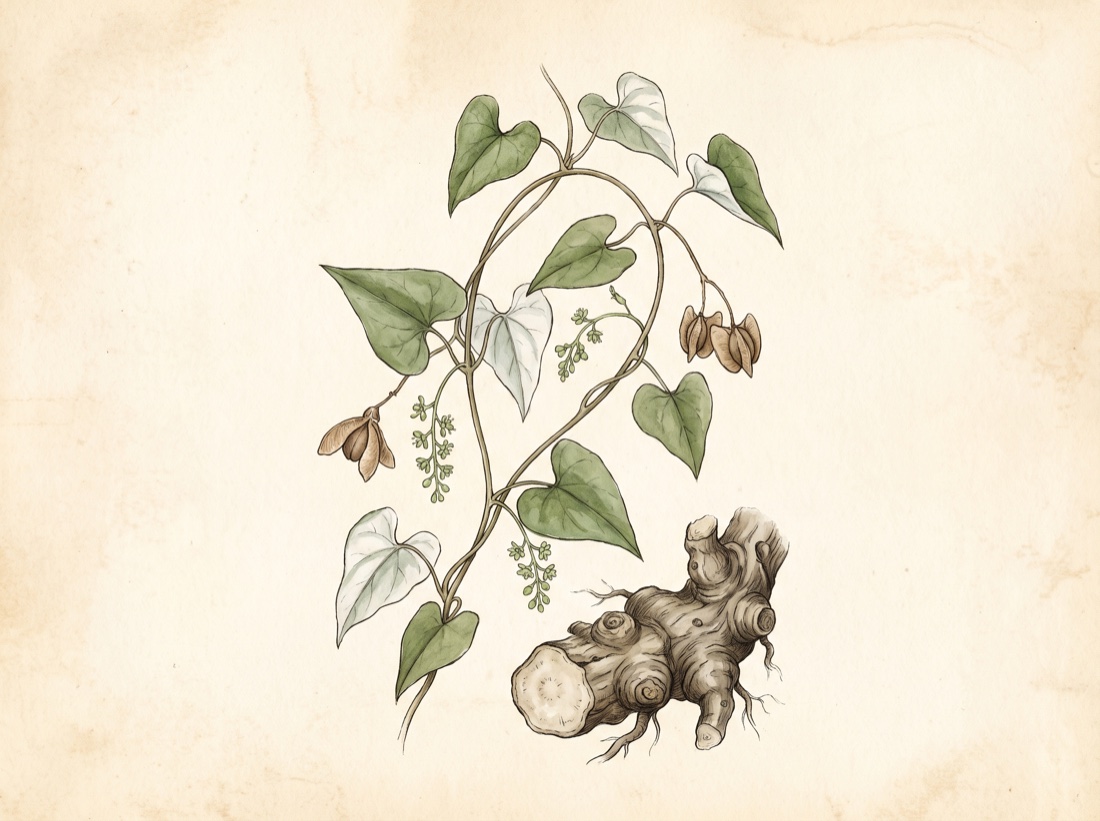 Hypoglaucous yamDioscorea hypoglauca
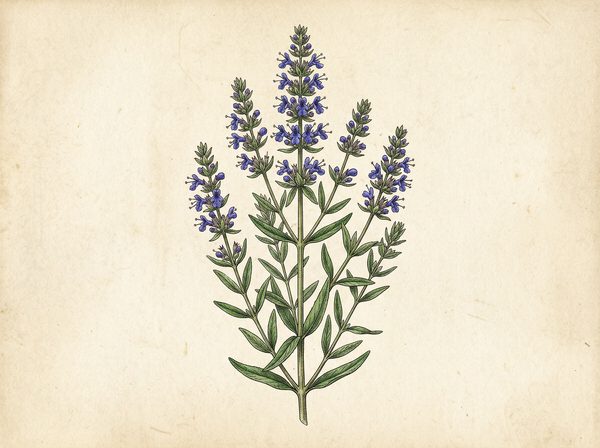 HyssopHyssopus officinalis
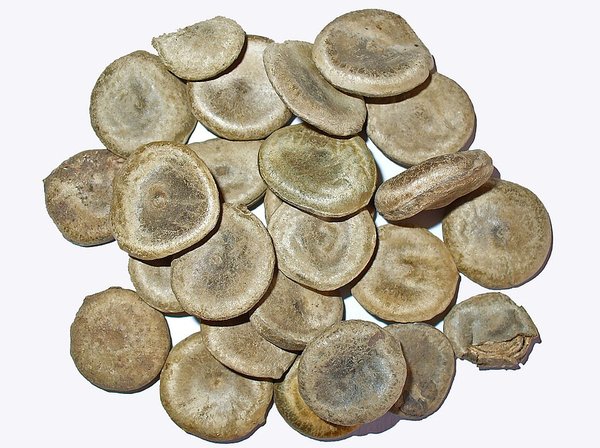 IgnatiaIgnatia
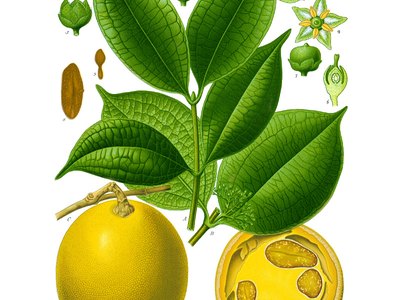 Ignatia AmaraStrychnos ignatia
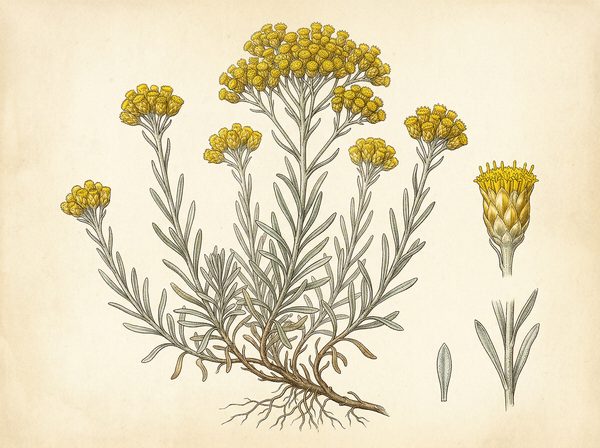 ImmortelleHelichrysum italicum
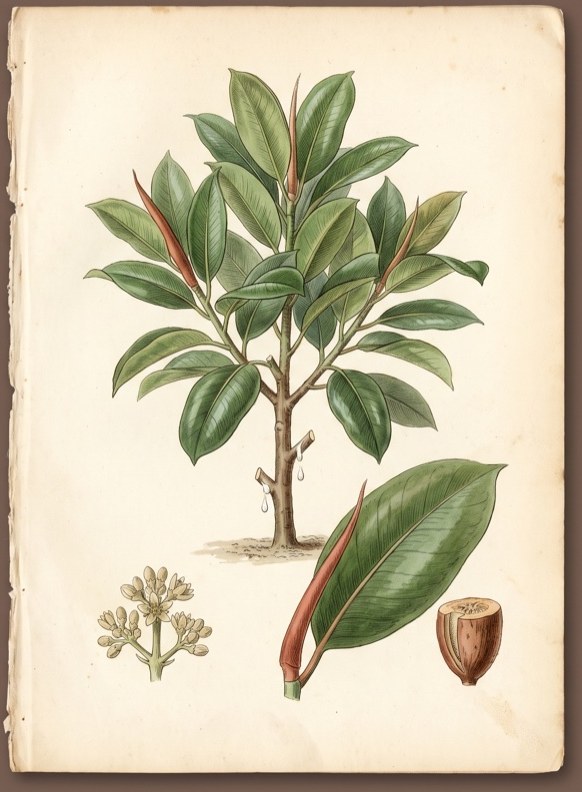 India-RubberElastica
The whole plate is in the library. The compass, Compare, the Sky of eleven hundred plants and the formulary open with an email address and a password, free, with the formula builder and its safety engine. Herbert without limit, his formulating, clients, the handouts and the labels are the paid room.
Open the library, free