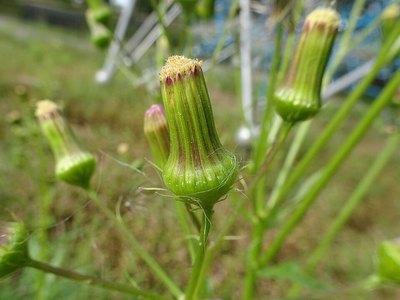
Western Herbalism
Fireweed
Erechtites hieracifolius
Also known as American burnweed, Pilewort, Fireweed groundsel, Burnweed.
Erechtites hieracifolius is a fast-growing annual weed of the aster family, common on burned-over or freshly cleared ground across eastern and central North America, which gave rise to its common name fireweed (a name it shares confusingly with the unrelated Chamaenerion/Epilobium fireweed). The aerial herb, and in older practice a distilled essential oil pressed from it, were the parts used. It held a modest place in nineteenth-century American physiomedical and Eclectic practice as an astringent remedy for bleeding and flux, and it is the source of the old folk name pilewort for its use in hemorrhoidal bleeding.

Ask Herbert about Fireweed. Herbert is the master herbalist inside Bountiful Herbs: he answers from this plate and eleven hundred others, with dosing, pairing and cautions. Your first ten questions are free.
Ask HerbertActions
Indications what the tradition reached for it in
- Diarrhea
- Dysentery
- Bleeding hemorrhoids
- Internal hemorrhage
- Passive uterine hemorrhage
- Menorrhagia
- Cholera infantum (historical use)
- Wounds with oozing or bleeding
- Epistaxis
- Mucous colitis with tenesmus
Specific indications
Bright red bleeding piles with a raw, irritated feel to the rectum
Loose, mucus-laden stool with griping and tenesmus, especially in children
Passive, non-contractile uterine bleeding rather than bleeding with strong cramping
Safety
Low dose botanical. Used in drop doses in the classical practice; not a plant to dose freely.
Pregnancy: Avoid in pregnancy: the plant belongs to a tribe (Senecioneae) known for pyrrolizidine-alkaloid-bearing members and its own alkaloid content has not been adequately characterized.
Breastfeeding: Avoid during lactation for the same precautionary reason regarding possible pyrrolizidine alkaloid content.
The record lists 5 contraindications; open the plate in the library to read them in full.
In practice
Physiomedical and Eclectic writers reached for fireweed mainly as a mild astringent styptic, useful where tissue was relaxed and oozing rather than acutely inflamed: bleeding hemorrhoids, passive uterine hemorrhage, and loose, mucus-streaked diarrhea or dysentery, particularly in children (the old term cholera infantum covers this last use).
Dosing as the sources wrote it
| Preparation | As written | Metric |
|---|---|---|
| Infusion (dried aerial herb) | 2-4 g dried herb as infusion, up to three times daily for short courses | 2000-4000 mg |
| Tincture (1:5, 40% alcohol) | 1-2 mL three times daily | 1-2 mL |
| Dose of the decoction, two fluid ounces four times a day | 59.15-59.15 mL | |
| Dose, 5 to 10 drops. | 0.1-0.2 mL | |
| For this purpose the dose should not be over one drop of the oil, in emulsion, well diluted. | ||
| (See Oleum Erechtitis.) Dose, 5 to 10 drops of the oil upon sugar, in emulsion, or in capsules. | 0.15-0.3 mL |
Doses are reproduced from the sources for practitioners and are not a recommendation for any person.
From the sources
Overview. Erechtites hieracifolius is a fast-growing annual weed of the aster family, common on burned-over or freshly cleared ground across eastern and central North America, which gave rise to its common name fireweed (a name it shares confusingly with the unrelated Chamaenerion/Epilobium fireweed). The aerial herb, and in older practice a distilled essential oil pressed from it, were the parts used. It held a modest place in nineteenth-century American physiomedical and Eclectic practice as an astringent remedy for bleeding and flux, and it is the source of the old folk name pilewort for its use in hemorrhoidal bleeding.
Clinical Notes. Physiomedical and Eclectic writers reached for fireweed mainly as a mild astringent styptic, useful where tissue was relaxed and oozing rather than acutely inflamed: bleeding hemorrhoids, passive uterine hemorrhage, and loose, mucus-streaked diarrhea or dysentery, particularly in children (the old term cholera infantum covers this last use).
Action and Therapy. True oil of fireweed (much that is sold is oil of fleabane) improves the appetite and digestion, stimulates the functions of the gastro-intestinal glands and pancreas, and causes free and full alvine evacuations, rendering it useful in chronic constipation, especially when acid fermentation and flatulence are present.
Properties and Uses. The leaves and flowers are somewhat pungent and disagreeably bitter in taste, leaving behind a mild astringency. They act chiefly upon mucous membranes, to which they are astringent and stimulant tonics.
Drawn from Cook's Physio-Medical Dispensatory; Scudder's Specific Medication and Specific Medicines; King's American Dispensatory, 18th edition (Felter and Lloyd); Felter's Eclectic Materia Medica, Pharmacology and Therapeutics, and the Bountiful Herbs editorial.
Often paired with
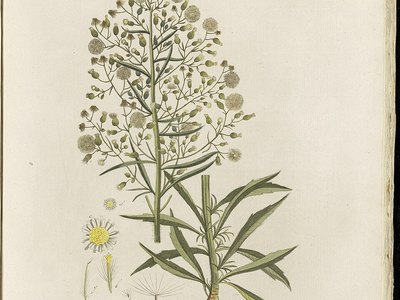 Canada fleabaneErigeron canadense
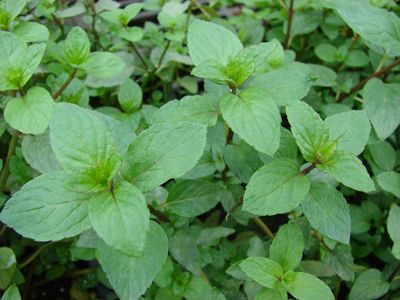 PeppermintMentha piperita
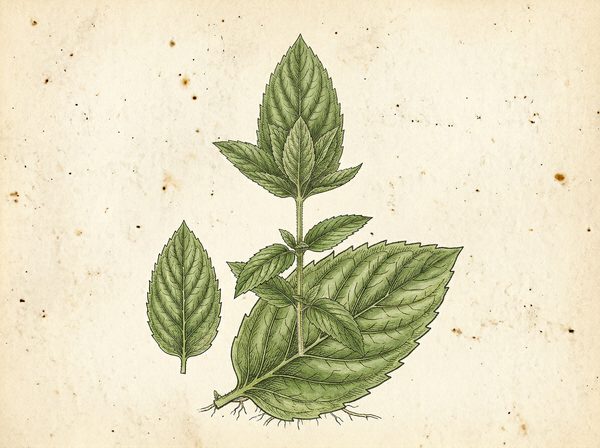 SpearmintMentha spicata
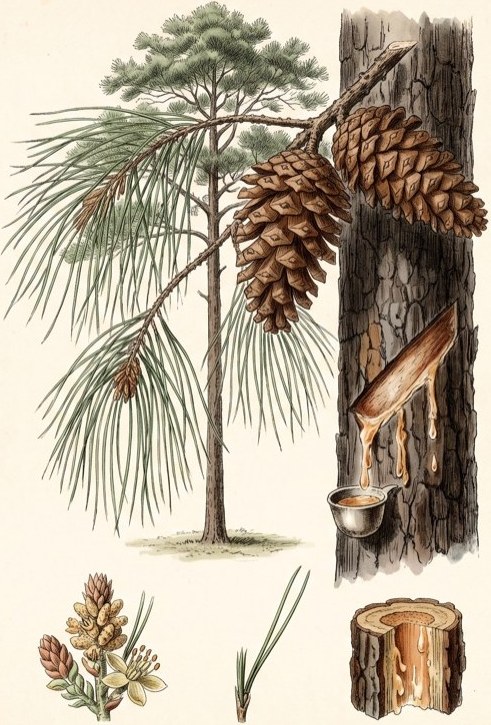 TurpentineOleum Terebinthinae
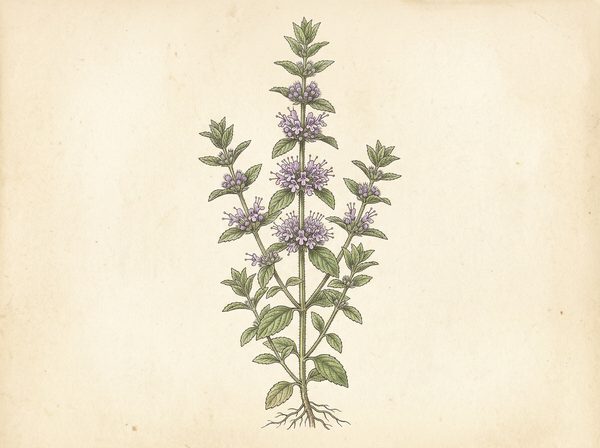 PennyroyalMentha pulegium
 American pennyroyalHedeoma pulegioides
Nearby on the shelf
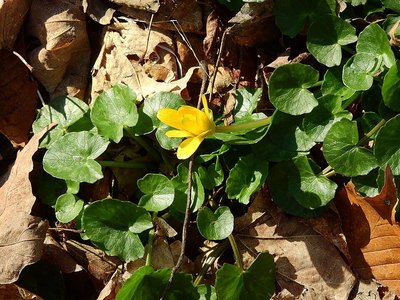 FicariaRanunculus ficaria
 FigFicus
 FigwortScrophularia nodosa
 FireweedEpilobium angustifolium
 Five-fingerPotentilla canadensis
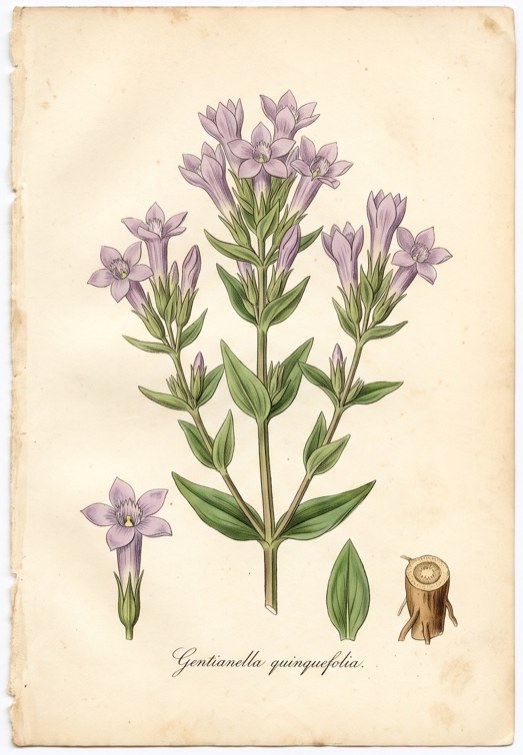 Five-flowered gentianGentiana Quinqueflora
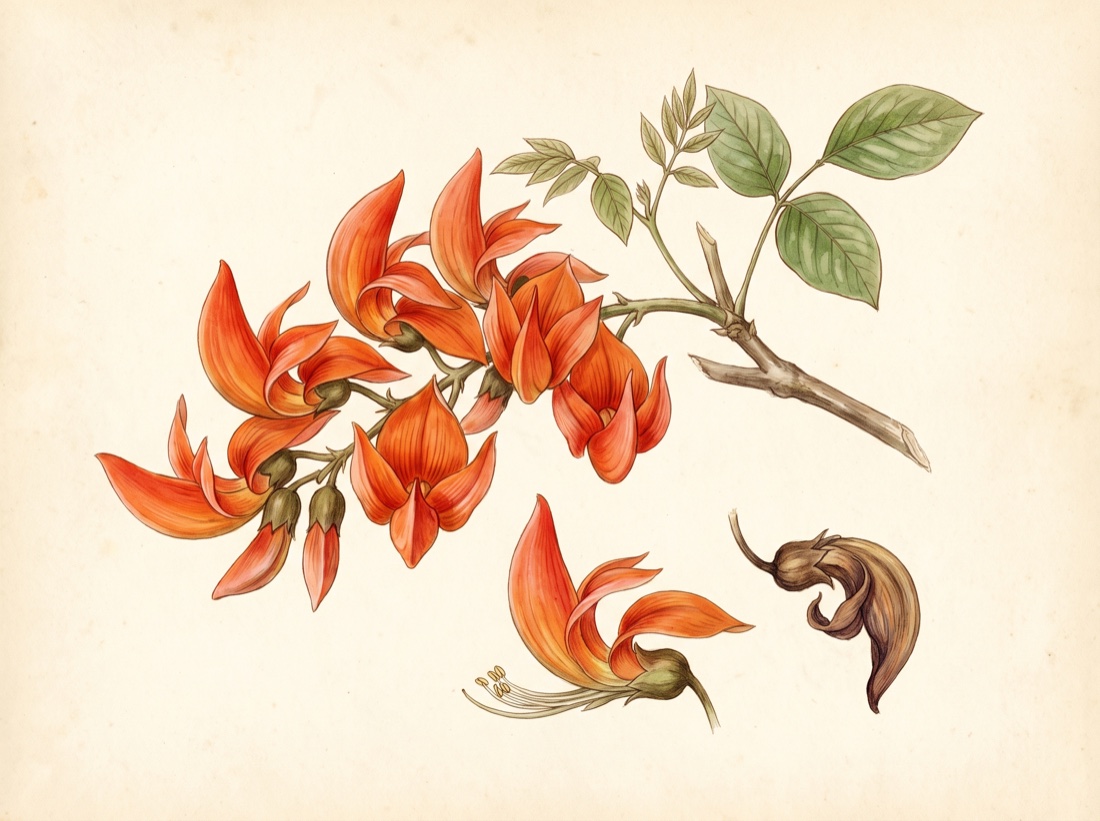 Flame of the forestButea monosperma
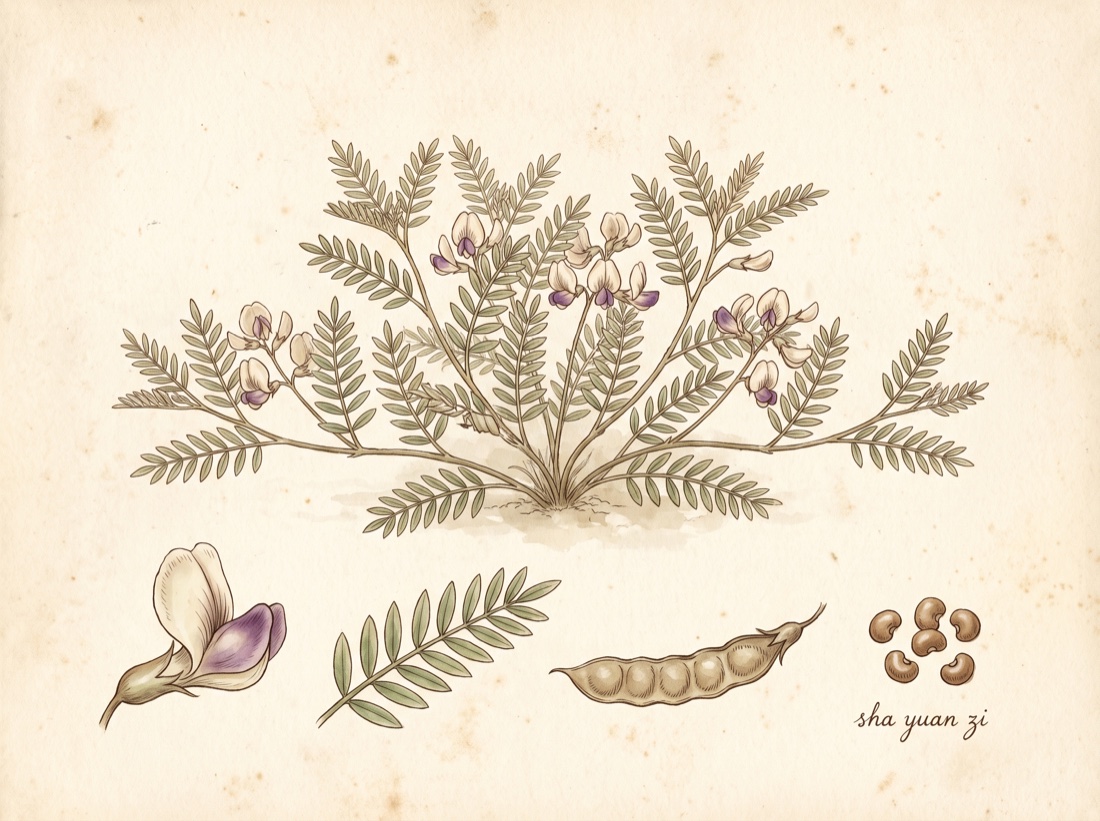 Flatstem milkvetch seedPhyllolobium chinense
The whole plate is in the library. The compass, Compare, the Sky of eleven hundred plants and the formulary open with an email address and a password, free, with the formula builder and its safety engine. Herbert without limit, his formulating, clients, the handouts and the labels are the paid room.
Open the library, free