Western Herbalism
Bunchberry
Cornus canadensis
Also known as dwarf cornel, Canadian dwarf cornel, creeping dogwood, crackerberry, pudding berry.
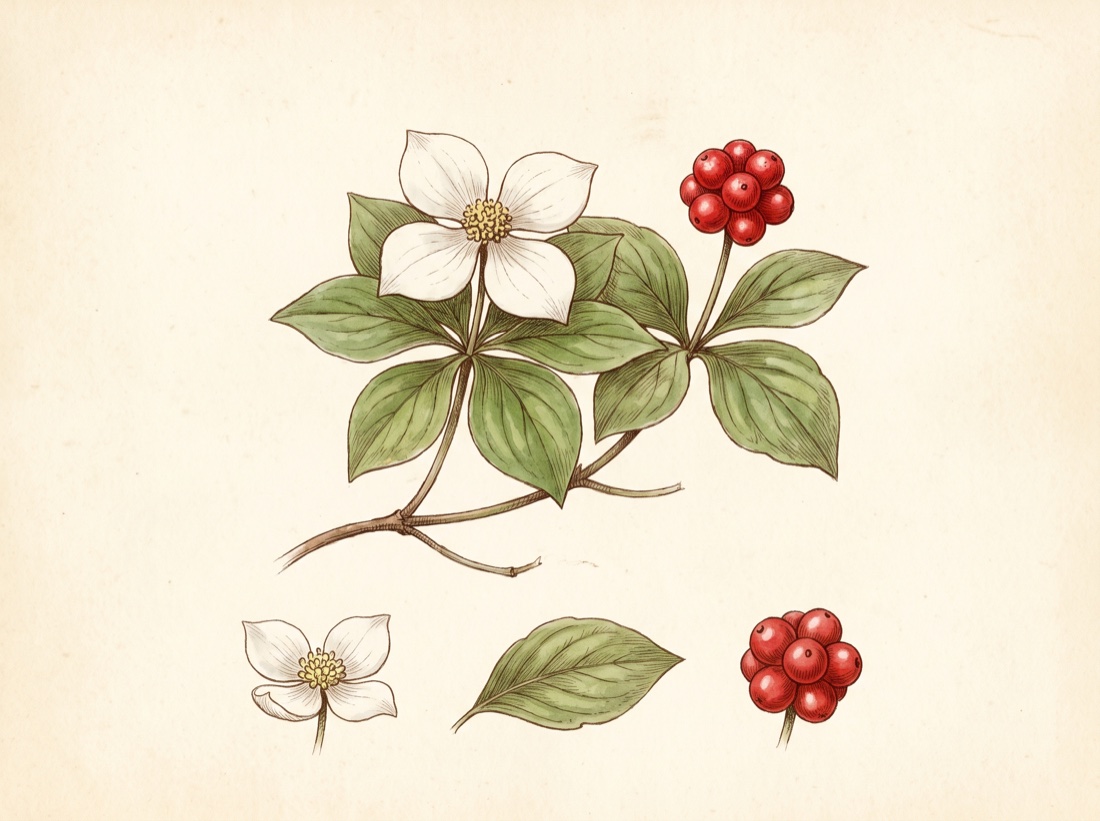
Bunchberry is a low, creeping dogwood of cool northern forests across Canada, the northern United States, Greenland and northeastern Asia, forming carpets under conifers with a whorl of leaves, four white bracts and a cluster of red berries in late summer. The leaves and aerial parts are the medicinal portion; the mildly sweet berries are a traditional food. It belongs to the Indigenous materia medica of northern North America rather than to the European or Eclectic canon, and its use has been quiet, local and largely undocumented in modern clinical texts.

Ask Herbert about Bunchberry. Herbert is the master herbalist inside Bountiful Herbs: he answers from this plate and eleven hundred others, with dosing, pairing and cautions. Your first ten questions are free.
Ask HerbertActions
Indications what the tradition reached for it in
- Mild diarrhea
- Sore throat
- Feverish colds
- Cough (traditional)
- Minor wounds and abrasions
- Burns and skin irritation (topical)
- Cold sores (topical, in vitro basis)
- Mouth ulcers (rinse)
- Mild urinary irritation (traditional)
Specific indications
Loose stools with a sore, irritated gut in a person who is otherwise well, where a gentle tannin herb is wanted
Recurrent cold sores where a mild astringent, tannin-rich wash can be applied at the first tingle
A feverish cold in the northern woods where the plant is at hand and a simple cooling tea is enough
Safety
The record lists 3 contraindications; open the plate in the library to read them in full.
In practice
Think of bunchberry as a gentle, tannin-rich astringent in the same working group as agrimony or raspberry leaf, with a cooling quality. A tea of the leaves has been used for fevers, coughs and colds, for loose bowels, and as a mild pain remedy, and a poultice or wash of the crushed leaves for wounds, burns and sore skin.
Dosing as the sources wrote it
| Preparation | As written | Metric |
|---|---|---|
| Infusion | 2-4 g dried leaf per cup up to three times daily | 2000-4000 mg |
| Tincture (1:5, 40%) | 1-3 mL three times daily | 1-3 mL |
| Topical wash or compress | 5-10 g dried leaf per 250 mL water applied two to three times daily | 5000-10000 mg |
Doses are reproduced from the sources for practitioners and are not a recommendation for any person.
From the sources
Overview. Bunchberry is a low, creeping dogwood of cool northern forests across Canada, the northern United States, Greenland and northeastern Asia, forming carpets under conifers with a whorl of leaves, four white bracts and a cluster of red berries in late summer. The leaves and aerial parts are the medicinal portion; the mildly sweet berries are a traditional food. It belongs to the Indigenous materia medica of northern North America rather than to the European or Eclectic canon, and its use has been quiet, local and largely undocumented in modern clinical texts.
Clinical Notes. Think of bunchberry as a gentle, tannin-rich astringent in the same working group as agrimony or raspberry leaf, with a cooling quality. A tea of the leaves has been used for fevers, coughs and colds, for loose bowels, and as a mild pain remedy, and a poultice or wash of the crushed leaves for wounds, burns and sore skin.
Nearby on the shelf
 BuckthornRhamnus cathartica
 BugleAjuga reptans
 BugleweedLycopus virginicus
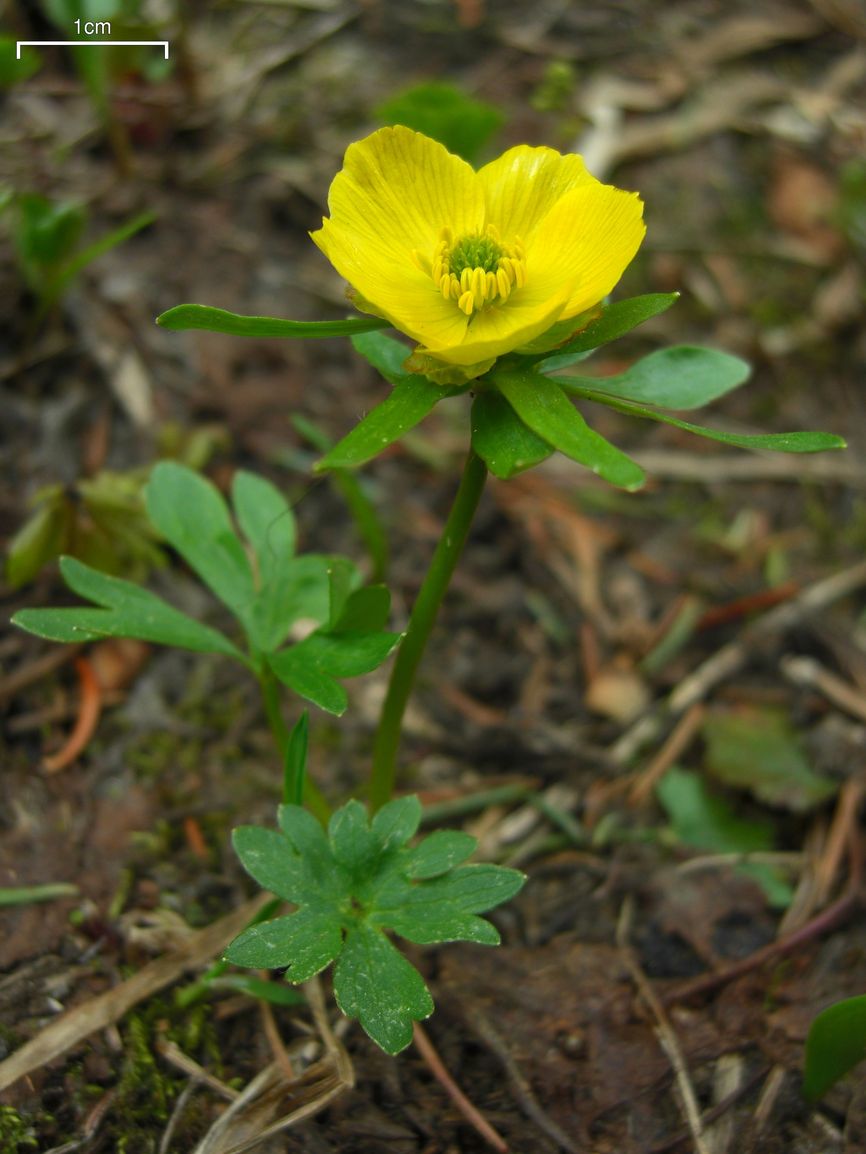 Bulbous buttercupRanunculus bulbosus
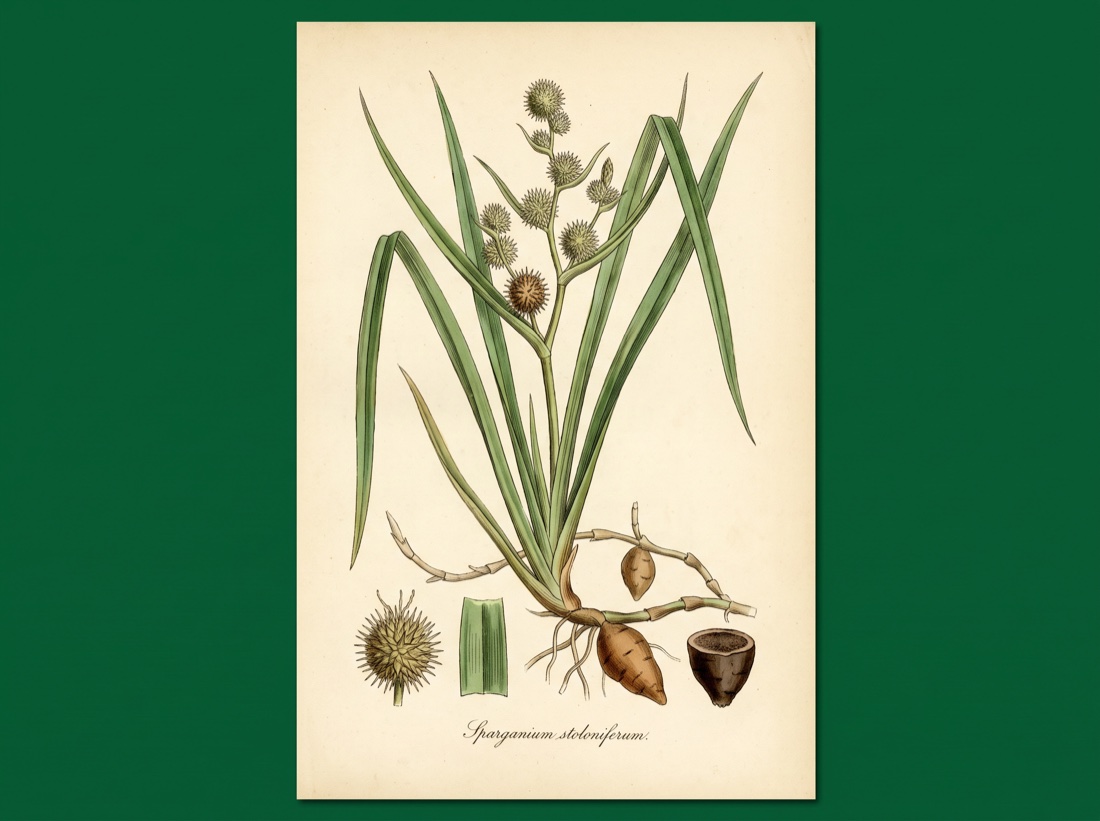 Bur-reed rhizomeSparganium stoloniferum
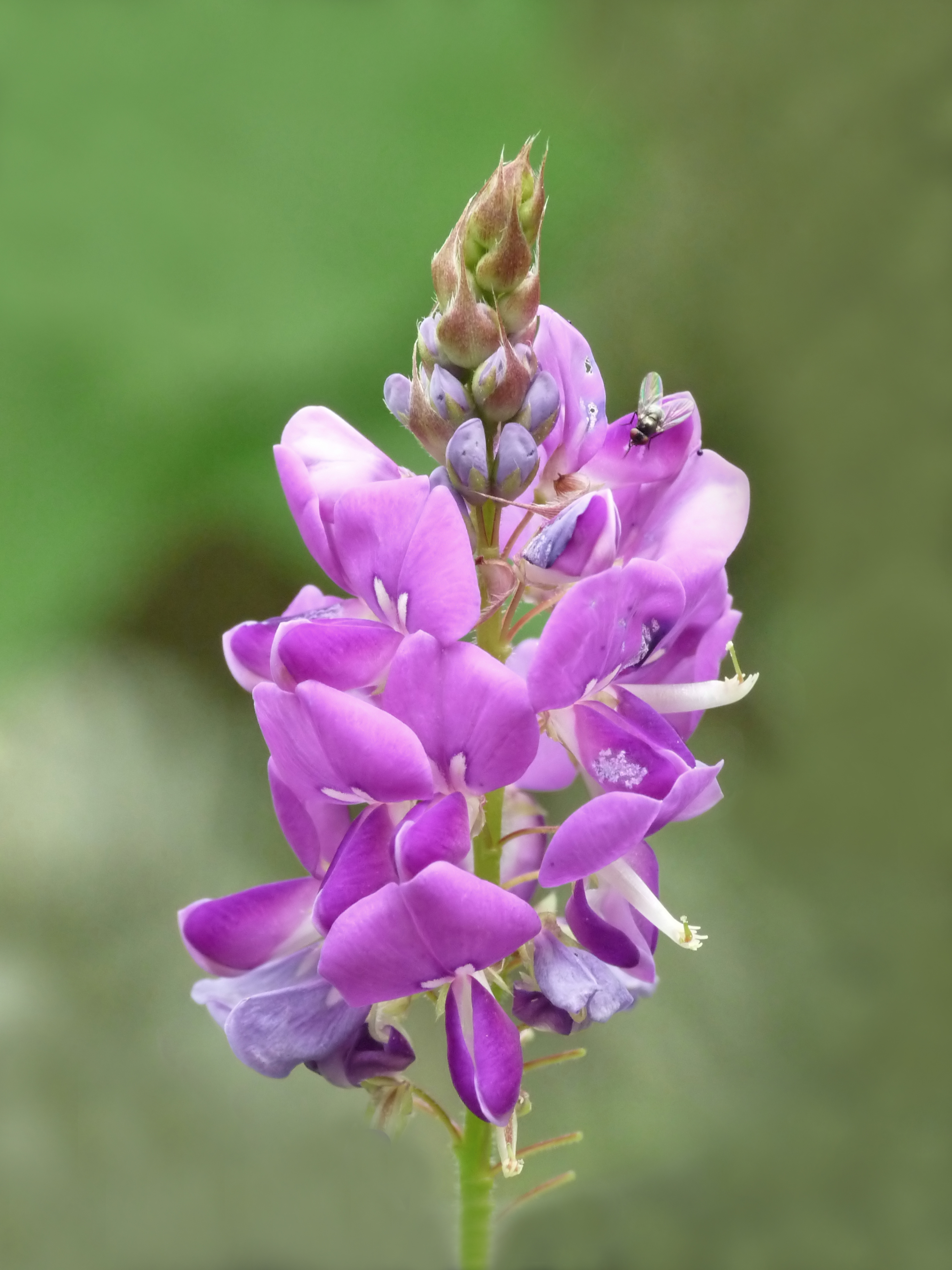 BurburDesmodium molliculum
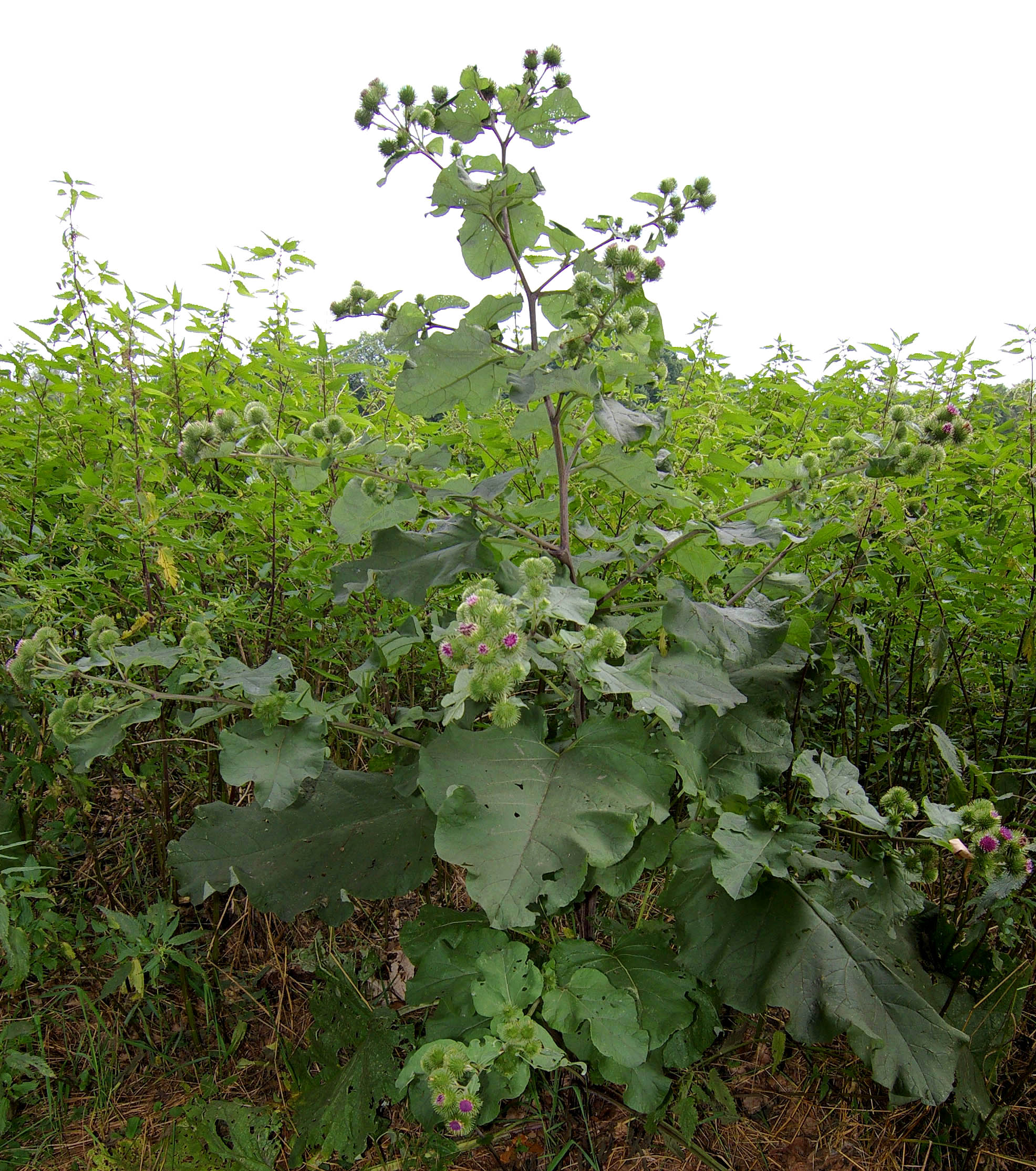 BurdockArctium lappa
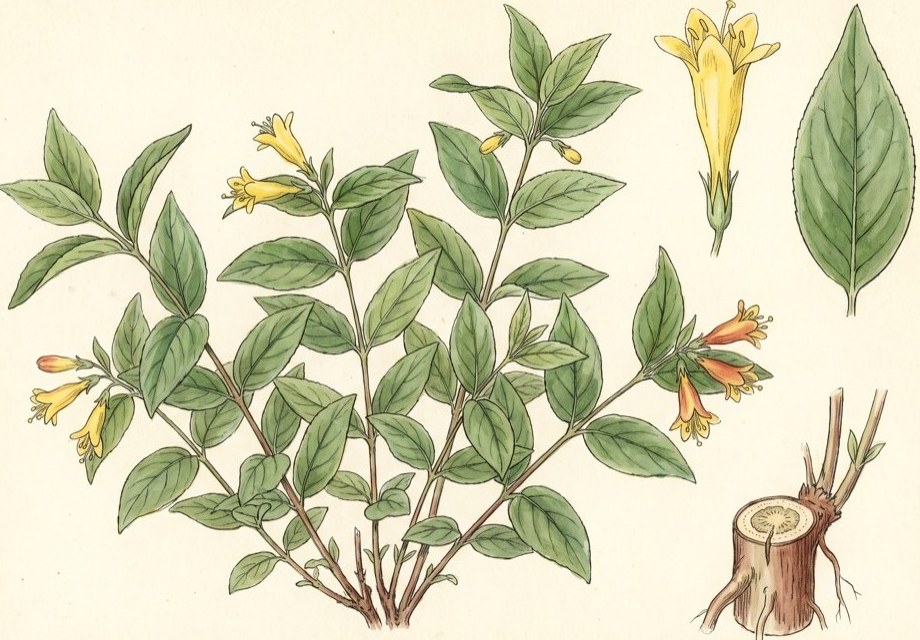 Bush honeysuckleDiervilla trifida
The whole plate is in the library. The compass, Compare, the Sky of eleven hundred plants and the formulary open with an email address and a password, free, with the formula builder and its safety engine. Herbert without limit, his formulating, clients, the handouts and the labels are the paid room.
Open the library, free