Western Herbalism
Balsam of Peru
Balsamum Peruvianum
Also known as Peru balsam, Peru balsam tree, (Tree) Peru balsam tree; (Balsam) Balsam of Peru.
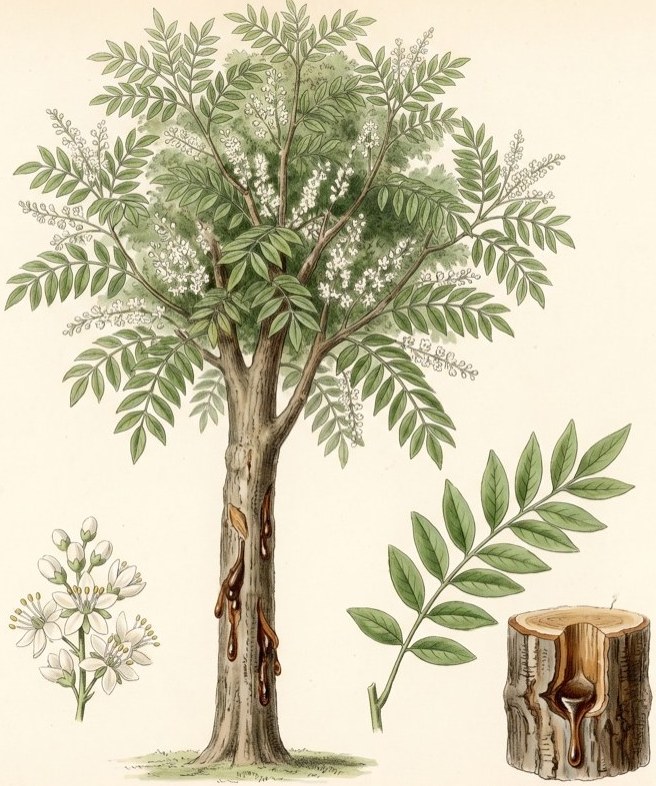
Balsam of Peru is the thick, dark brown, vanilla-scented oleoresin obtained from Myroxylon pereirae, a large tree of the Fabaceae family native to the Pacific coastal forests of El Salvador and neighboring Central America. The balsam is collected by scorching and beating strips of bark until the underlying wood exudes resin, which is absorbed onto cloths and later boiled out and pressed. Eclectic physicians of the nineteenth and early twentieth centuries valued it chiefly as a topical antiseptic and stimulant to sluggish healing tissue, using it far more often externally than internally.

Ask Herbert about Balsam of Peru. Herbert is the master herbalist inside Bountiful Herbs: he answers from this plate and eleven hundred others, with dosing, pairing and cautions. Your first ten questions are free.
Ask HerbertActions
Indications what the tradition reached for it in
- Scabies
- Slow-healing wounds and ulcers
- Chronic leg ulcers
- Pressure sores
- Hemorrhoids
- Chapped or cracked skin
- Diaper dermatitis
- Minor burns
- Chronic bronchitis with copious mucus (historical internal use)
- Parasitic skin infestations
Specific indications
Indolent, sluggish wounds or ulcers with thin, foul-smelling discharge that resist ordinary dressings
Widespread scabies itching unresponsive to simpler topical remedies
Safety
Low dose botanical. Used in drop doses in the classical practice; not a plant to dose freely.
Pregnancy: Avoid internal use in pregnancy given limited safety data and known mucosal irritant potential; topical use on small areas of intact skin is considered lower risk but should be discussed with a clinician.
Breastfeeding: Avoid applying near the nipple or areas accessible to a nursing infant's mouth, as ingestion may cause gastrointestinal irritation.
The record lists 6 contraindications; open the plate in the library to read them in full.
In practice
The balsam finds its main modern use in wound care, applied as a dilute ointment to indolent ulcers, pressure sores, and minor wounds that are slow to granulate. Eclectic writers favored it in mixed preparations for scabies and other parasitic skin conditions, and it was a traditional ingredient in hemorrhoid preparations for its combination of mild anesthetic warmth and antiseptic action.
Dosing as the sources wrote it
| Preparation | As written | Metric |
|---|---|---|
| Topical ointment | 5-20% balsam in a suitable ointment base, applied to affected skin one to three times daily | |
| Historical internal dose (rarely used) | 0.1-1 mL as an emulsion or capsule, once daily, only under professional supervision | 0.1-1 mL |
| The dose is from 10 to 30 drops, and is best given diffused in water by means of sugar and the yolk of egg, or gum Arabic, or in alcoholic solution dispensed in glycerin. | 0.5-1.5 mL |
Doses are reproduced from the sources for practitioners and are not a recommendation for any person.
From the sources
Overview. Balsam of Peru is the thick, dark brown, vanilla-scented oleoresin obtained from Myroxylon pereirae, a large tree of the Fabaceae family native to the Pacific coastal forests of El Salvador and neighboring Central America. The balsam is collected by scorching and beating strips of bark until the underlying wood exudes resin, which is absorbed onto cloths and later boiled out and pressed. Eclectic physicians of the nineteenth and early twentieth centuries valued it chiefly as a topical antiseptic and stimulant to sluggish healing tissue, using it far more often externally than internally.
Clinical Notes. The balsam finds its main modern use in wound care, applied as a dilute ointment to indolent ulcers, pressure sores, and minor wounds that are slow to granulate. Eclectic writers favored it in mixed preparations for scabies and other parasitic skin conditions, and it was a traditional ingredient in hemorrhoid preparations for its combination of mild anesthetic warmth and antiseptic action.
Therapy. External. Balsam of Peru is a good parasiticide and has given the best of satisfaction in scabies and for the destruction of lice. For the former it may be combined with the sulphurated ointments, or may be used alone, with an oleaginous and petrolatum base (balsam, 25 parts; olive oil, 50 parts; petrolatum, 100 parts).
Action. Skin eruptions have been produced by applying the balsam to the skin, as hives, eczema, and erythema; sometimes the latter results from its internal use. These effects are thought to be due largely to impurities in the factitious drug, which is oftener sold than the genuine balsam.
Drawn from King's American Dispensatory, 18th edition (Felter and Lloyd); Felter's Eclectic Materia Medica, Pharmacology and Therapeutics, and the Bountiful Herbs editorial.
Nearby on the shelf
 BalmonyChelone glabra
 Balsam appleMomordica balsamina
 Balsam firAbies balsamea
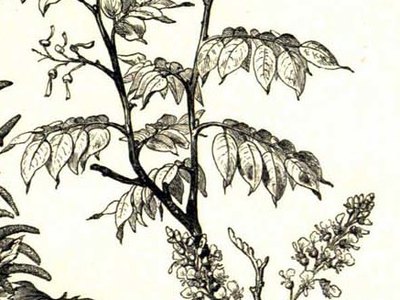 Balsam of PeruMyrospermum peruiferum
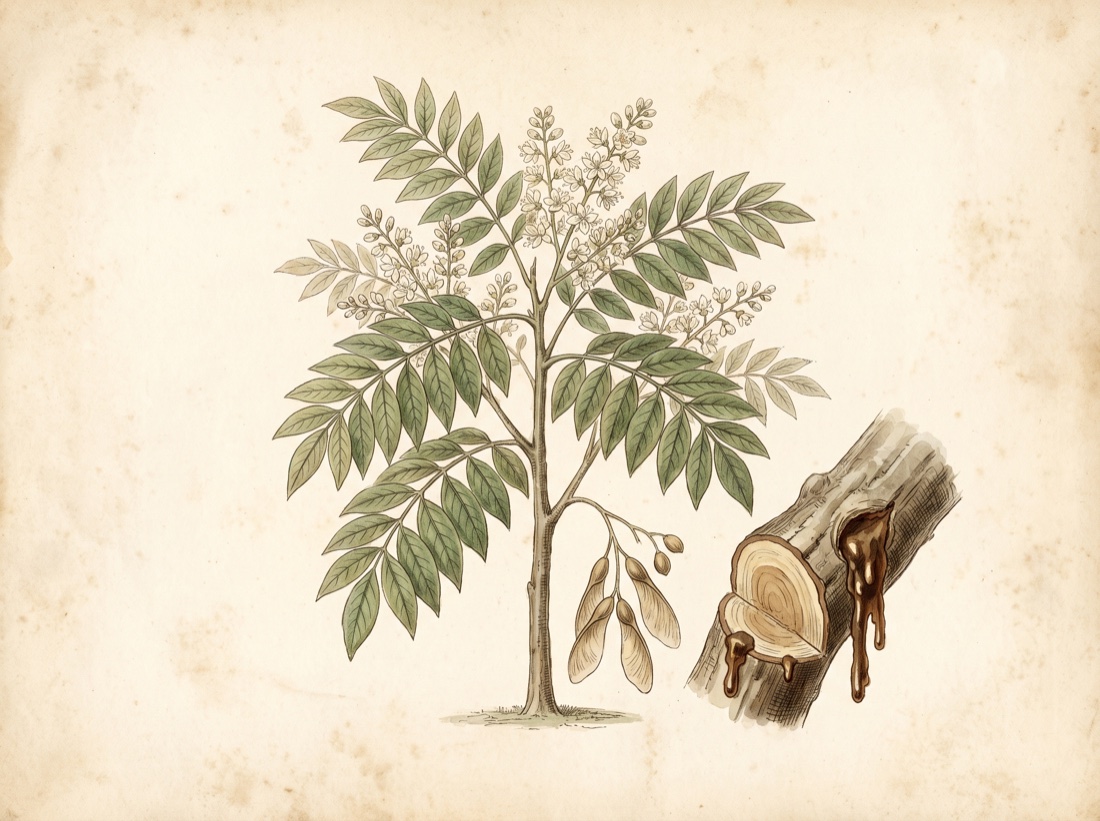 Balsam of ToluBalsamum Tolutanum
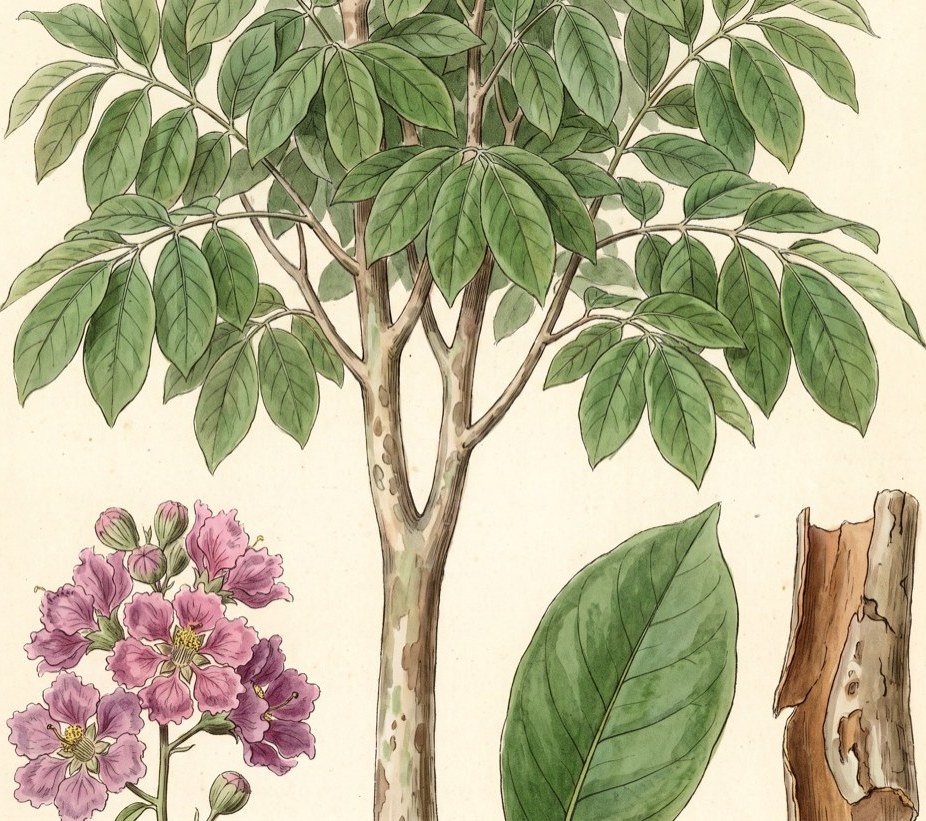 BanabaLagerstroemia speciosa
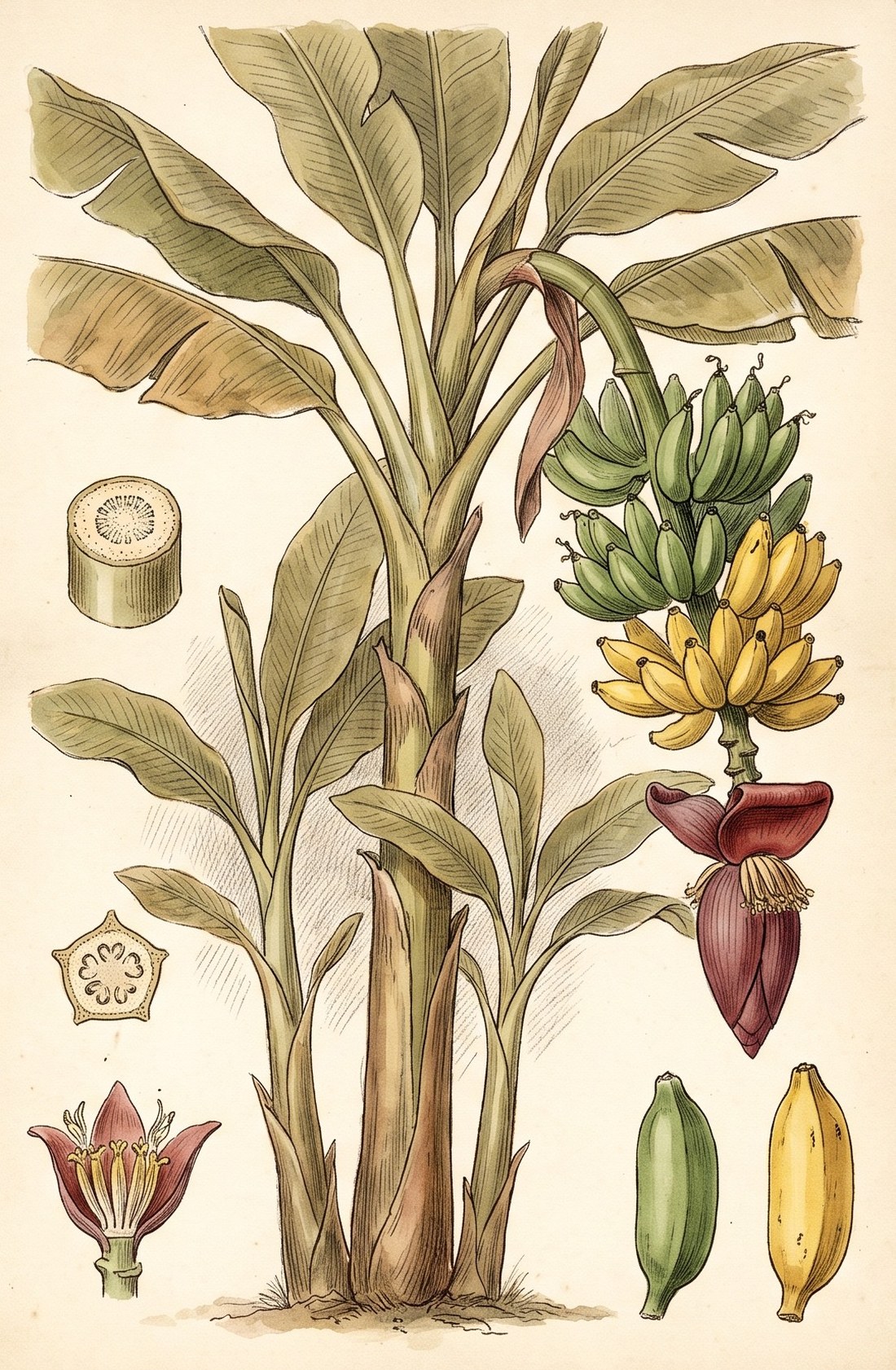 BananaMusa paradisiaca
 BanyanFicus benghalensis
The whole plate is in the library. The compass, Compare, the Sky of eleven hundred plants and the formulary open with an email address and a password, free, with the formula builder and its safety engine. Herbert without limit, his formulating, clients, the handouts and the labels are the paid room.
Open the library, free