Western Herbalism
Privet
Ligustrum vulgare
Also known as Privy, Prim.
External. Next to coptis the most useful application for thrush in infants and of value in pallid sore throat with tissue relaxation, and in aphthous sore mouth. Internal. An astringent tonic of much value in ulcerative and catarrhal conditions of the mucous membranes of the stomach, bowels, and renal tract.

Ask Herbert about Privet. Herbert is the master herbalist inside Bountiful Herbs: he answers from this plate and eleven hundred others, with dosing, pairing and cautions. Your first ten questions are free.
Ask HerbertSpecific indications
Specific Indications and Uses: Aphthous sore mouth; sore throat.
Aphthous sore mouth; relaxed sore throat.
Safety
Recognised toxicity. This plant carries a toxicity flag in the record; it is for trained practitioners only.
Pregnancy: Not safe. Not recommended in pregnancy. No published pregnancy statement was found, and plant poisoning references list the berries and leaves of common privet as poisonous, causing vomiting, diarrhoea and colic.
Breastfeeding: Not safe. Not recommended while breastfeeding. No published statement on nursing was found, and the berries and leaves of common privet are listed as poisonous.
Dosing as the sources wrote it
| Preparation | As written | Metric |
|---|---|---|
| powdered leaves | Dose of the powdered leaves, from 30 to 60 grains, 3 times a day; of the decoction, from 2 to 4 fluid ounces. | |
| Dose, 10 to 60 grains. | 648-3888 mg | |
| Dose, 1 to 4 fluidounces. | 29.57-118 mL |
Doses are reproduced from the sources for practitioners and are not a recommendation for any person.
From the sources
Action and Therapy. External. Next to coptis the most useful application for thrush in infants and of value in pallid sore throat with tissue relaxation, and in aphthous sore mouth. Internal. An astringent tonic of much value in ulcerative and catarrhal conditions of the mucous membranes of the stomach, bowels, and renal tract.
Action, Medical Uses, and Dosage. Privet leaves are astringent; a decoction of them is very valuable in chronic bowel complaints, ulceration of stomach and bowels, as a gargle for ulcers of mouth and throat, for which it is peculiarly effective, and as an injection for ulcerated ears, with offensive discharges, leucorrhoea, gleet, and ulceration of the bladder, likewise in diabetes. They may be employed either in decoction or powder. Dose of the powdered leaves, from 30 to 60 grains, 3 times a day; of the decoction, from 2 to 4 fluid ounces.
Botanical Source. This plant is a smooth shrub, growing 5 or 6 feet high, with wand-like branches. The leaves are dark-green, 1 or 2 inches in length, about half as wide; opposite, entire, smooth, lanceolate, and obovate, obtuse, or acute, and borne on short petioles.
Related Species. Syringa vulgaris, Common lilac. A well-known shrub, the fruit and leaves of which are bitterish and sub-acrid. Besides a sweet principle Petroz and Robinet found a bitter glucosid (C19H28O10.H2O, Kromayer, 1863), the lilacin of Meillet, and syringin of Bernays, and identical with the ligustrin of Polex. This body, when pure, is not bitter, but tasteless (see Ligustrum above). Dilute acids split it into sugar and syringenin (C13H18O5), an amorphous, pale, rose-colored mass soluble in alcohol, but not in ether and water. The fruit and leaves are antiperiodic and tonic.
Drawn from King's American Dispensatory, 18th edition (Felter and Lloyd); Felter's Eclectic Materia Medica, Pharmacology and Therapeutics, and the Bountiful Herbs editorial.
Nearby on the shelf
 Prickly PearOpuntia ficus-indica
 Prickly PoppyArgemone mexicana
 PrishniparniUraria picta
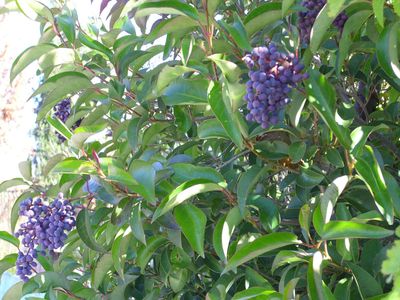 PrivetLigustrum lucidum
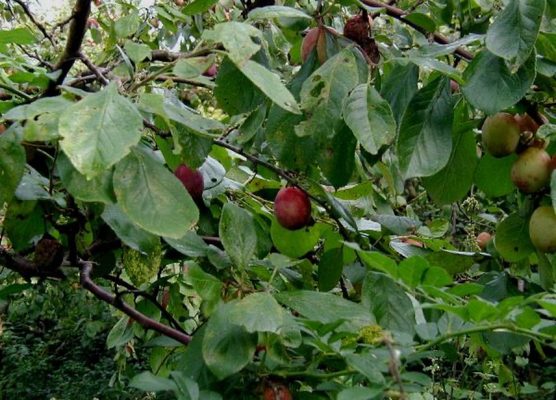 PrunePrunus domestica
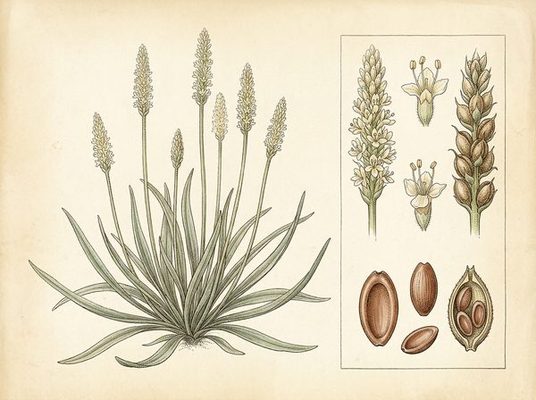 PsylliumPlantago ovata
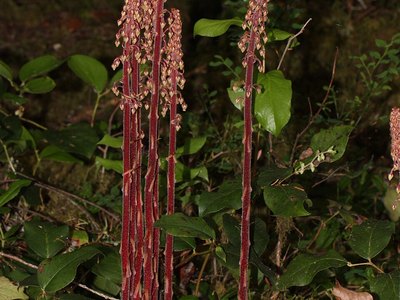 Pterospora andromedeaPterospora andromedea
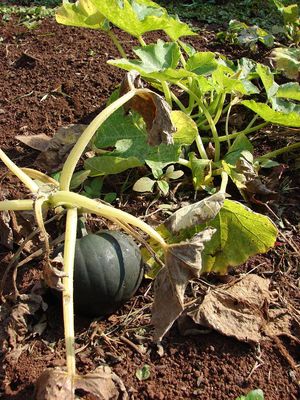 PumpkinCucurbita pepo
The whole plate is in the library. The compass, Compare, the Sky of eleven hundred plants and the formulary open with an email address and a password, free, with the formula builder and its safety engine. Herbert in full, his formulating, clients, the handouts and the labels are the paid room.
Open the library, free