Western Herbalism
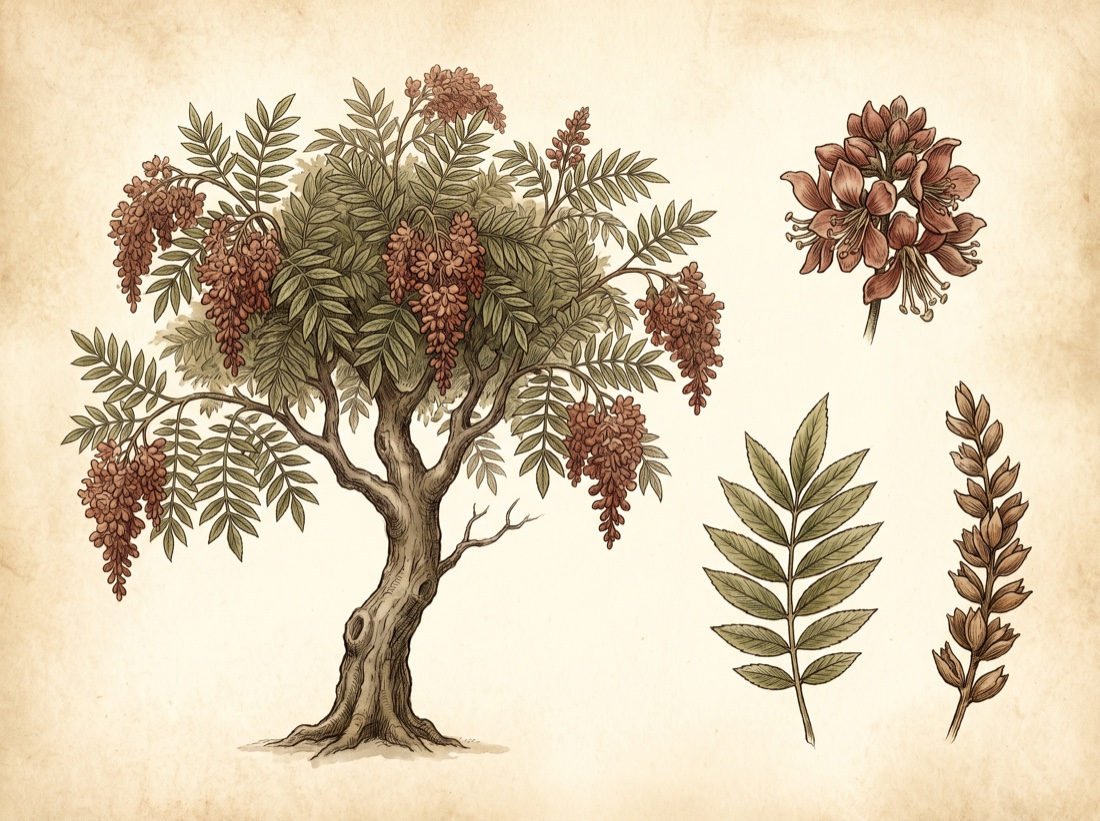
Kousso
Cusso
Also known as Kosso, Kooso, Cusso, Kusso, Cossoo, African redwood (tree), etc.
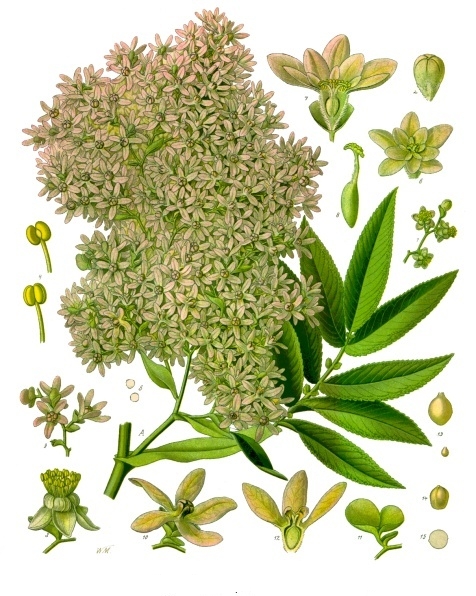
Hagenia abyssinica is a small flowering tree native to the highlands of Ethiopia and other parts of eastern and central Africa, long valued there as the principal traditional remedy for tapeworm. The part used is the dried, tightly clustered female flower panicles, known in commerce as kousso or cusso. It entered European and American eclectic and regular medicine in the nineteenth century as one of the most reliable botanical taeniacides available before synthetic anthelmintics, prepared fresh as an infusion or fluid extract and taken on an empty stomach.

Ask Herbert about Kousso. Herbert is the master herbalist inside Bountiful Herbs: he answers from this plate and eleven hundred others, with dosing, pairing and cautions. Your first ten questions are free.
Ask HerbertActions
Indications what the tradition reached for it in
- Tapeworm infestation
- Intestinal helminthiasis
- Sluggish bowel accompanying parasitic infection
- Chronic dyspepsia associated with intestinal parasites
Specific indications
Confirmed tapeworm segments passed in stool with a history of eating undercooked meat or fish
Persistent intestinal parasitism unresponsive to gentler vermifuges, in an otherwise robust patient able to tolerate a strong purgative
Safety
Recognised toxicity. This plant carries a toxicity flag in the record; it is for trained practitioners only.
Low dose botanical. Used in drop doses in the classical practice; not a plant to dose freely.
Pregnancy: Avoid in pregnancy: the herb is a strong gastrointestinal irritant and purgative with no modern safety data, and safer anthelmintics exist.
Breastfeeding: Avoid in lactation given the lack of modern safety data and the herb's irritant, purgative nature.
The record lists 7 contraindications; open the plate in the library to read them in full.
In practice
Kousso was used almost exclusively for one purpose: expelling tapeworm. The classic method was to take the infusion in two divided doses an hour apart on an empty stomach, the powdered flowers being swallowed along with the liquid, followed if needed by a mild purgative such as castor oil to hasten expulsion of the worm.
Dosing as the sources wrote it
| Preparation | As written | Metric |
|---|---|---|
| Infusion of dried flowers | 15-20 g coarsely powdered flowers infused in 250 mL hot water, taken in two divided doses one hour apart on an empty stomach | 15000-20000 mg |
| Fluid extract | 8-16 mL as a single or divided dose, historical eclectic dosing, on an empty stomach | 8-16 mL |
| Dose, 4 to 5 drachms. | 15552-19440 mg | |
| Specific Medicine Kousso | Dose, 1 to 2 fluidrachms. | 3.7-7.39 mL |
| About 4 to 5 drachms of the flowers are to be suspended in water, or made into an infusion, and taken in two or three doses at short intervals upon an empty stomach. | 15552-19440 mg | |
| Some prefer the fluidextract in doses of 2 to 4 fluidrachms. | 7.39-14.79 mL |
Doses are reproduced from the sources for practitioners and are not a recommendation for any person.
From the sources
Overview. Hagenia abyssinica is a small flowering tree native to the highlands of Ethiopia and other parts of eastern and central Africa, long valued there as the principal traditional remedy for tapeworm. The part used is the dried, tightly clustered female flower panicles, known in commerce as kousso or cusso. It entered European and American eclectic and regular medicine in the nineteenth century as one of the most reliable botanical taeniacides available before synthetic anthelmintics, prepared fresh as an infusion or fluid extract and taken on an empty stomach.
Clinical Notes. Kousso was used almost exclusively for one purpose: expelling tapeworm. The classic method was to take the infusion in two divided doses an hour apart on an empty stomach, the powdered flowers being swallowed along with the liquid, followed if needed by a mild purgative such as castor oil to hasten expulsion of the worm.
Action and Therapy. Taeniacide and purgative. Kousso is among the rarely used though efficient anthelmintics for the removal of tapeworm. Being more or less irritant to the gastro-intestinal tract it is not always well retained by the stomach. About 4 to 5 drachms of the flowers are to be suspended in water, or made into an infusion, and taken in two or three doses at short intervals upon an empty stomach. Some prefer the fluidextract in doses of 2 to 4 fluidrachms. Kousso is liable to fail unless made fresh and in prime condition.
Action, Medical Uses, and Dosage. As a vermifuge, this infusion should be taken fasting, one-half the quantity being given an hour before the second portion, the flowers being swallowed with the infusion. This is the original Abyssinian method of administering cusso.
Drawn from King's American Dispensatory, 18th edition (Felter and Lloyd); Felter's Eclectic Materia Medica, Pharmacology and Therapeutics, and the Bountiful Herbs editorial.
Often paired with
 flaxLinum usitatissimum
 KoussoBrayera anthelmintica
Nearby on the shelf
 KonjacAmorphophallus konjac
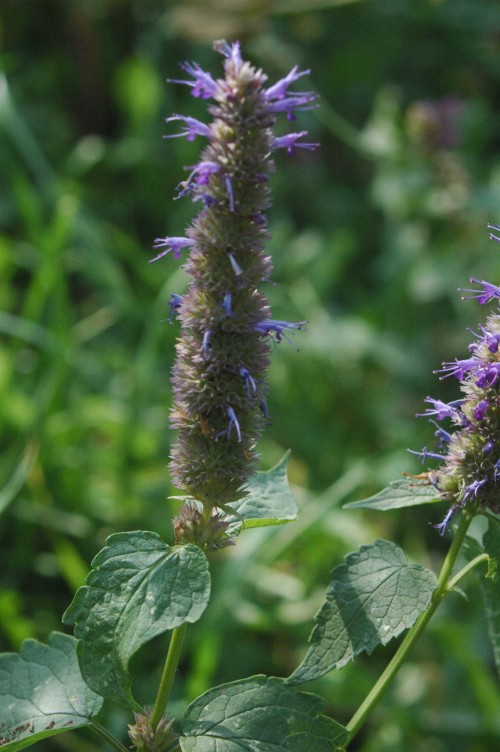 Korean MintAgastache rugosa
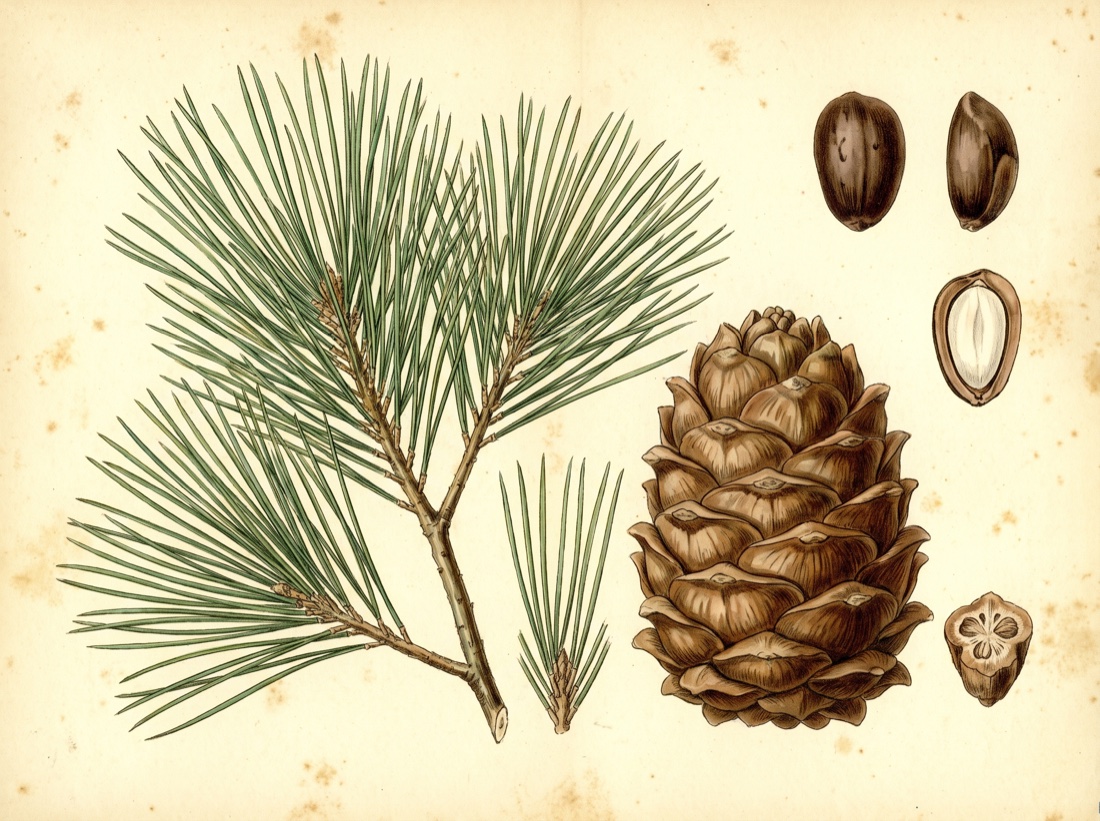 Korean pinePinus koraiensis
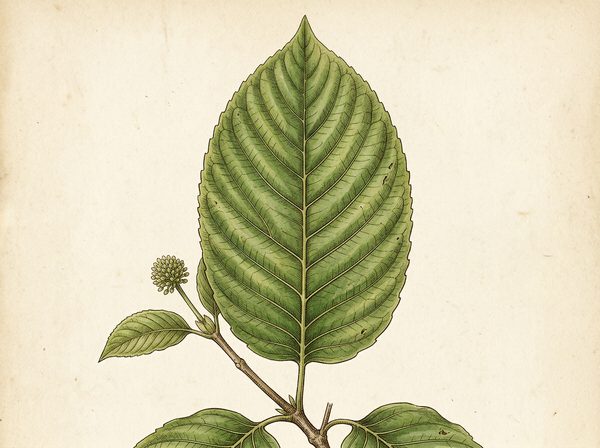 KratomMitragyna speciosa
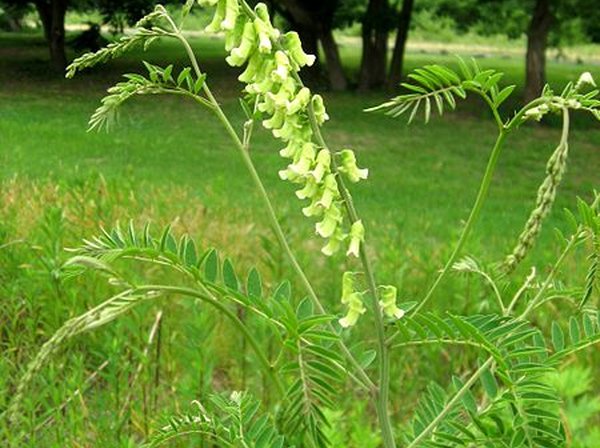 Ku ShenSophora flavescens
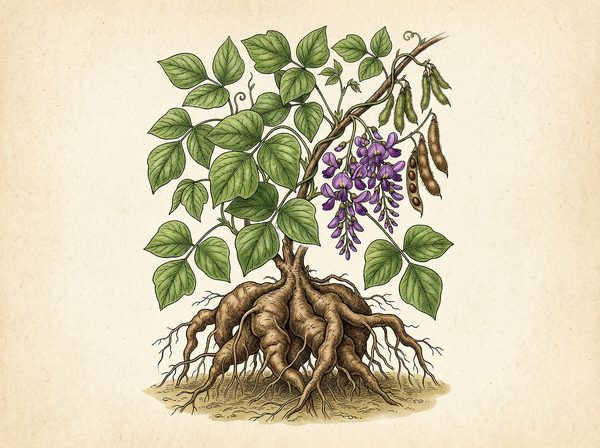 KudzuPueraria lobata
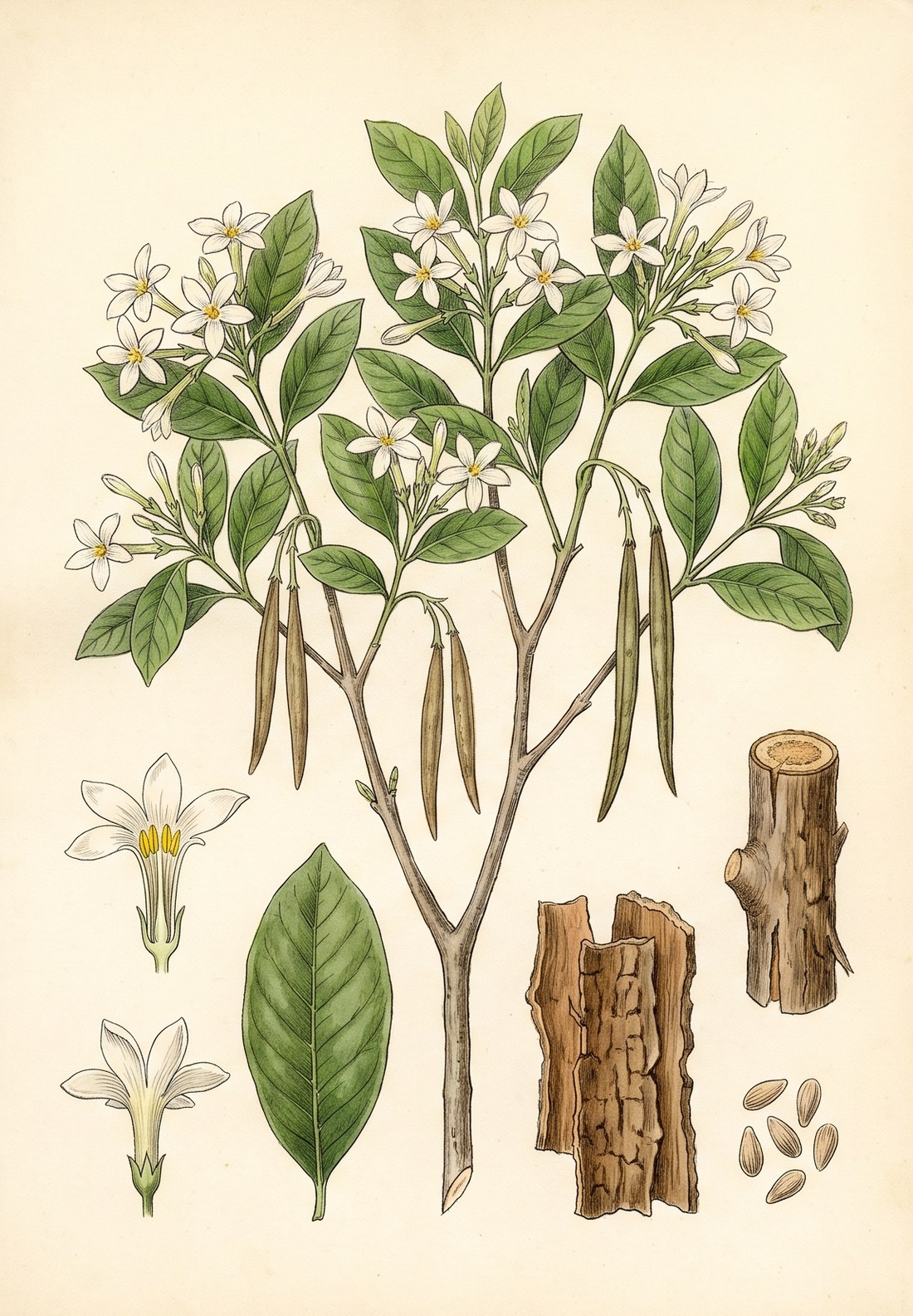 KurchiHolarrhena antidysenterica
The whole plate is in the library. The compass, Compare, the Sky of eleven hundred plants and the formulary open with an email address and a password, free, with the formula builder and its safety engine. Herbert without limit, his formulating, clients, the handouts and the labels are the paid room.
Open the library, free