Western Herbalism
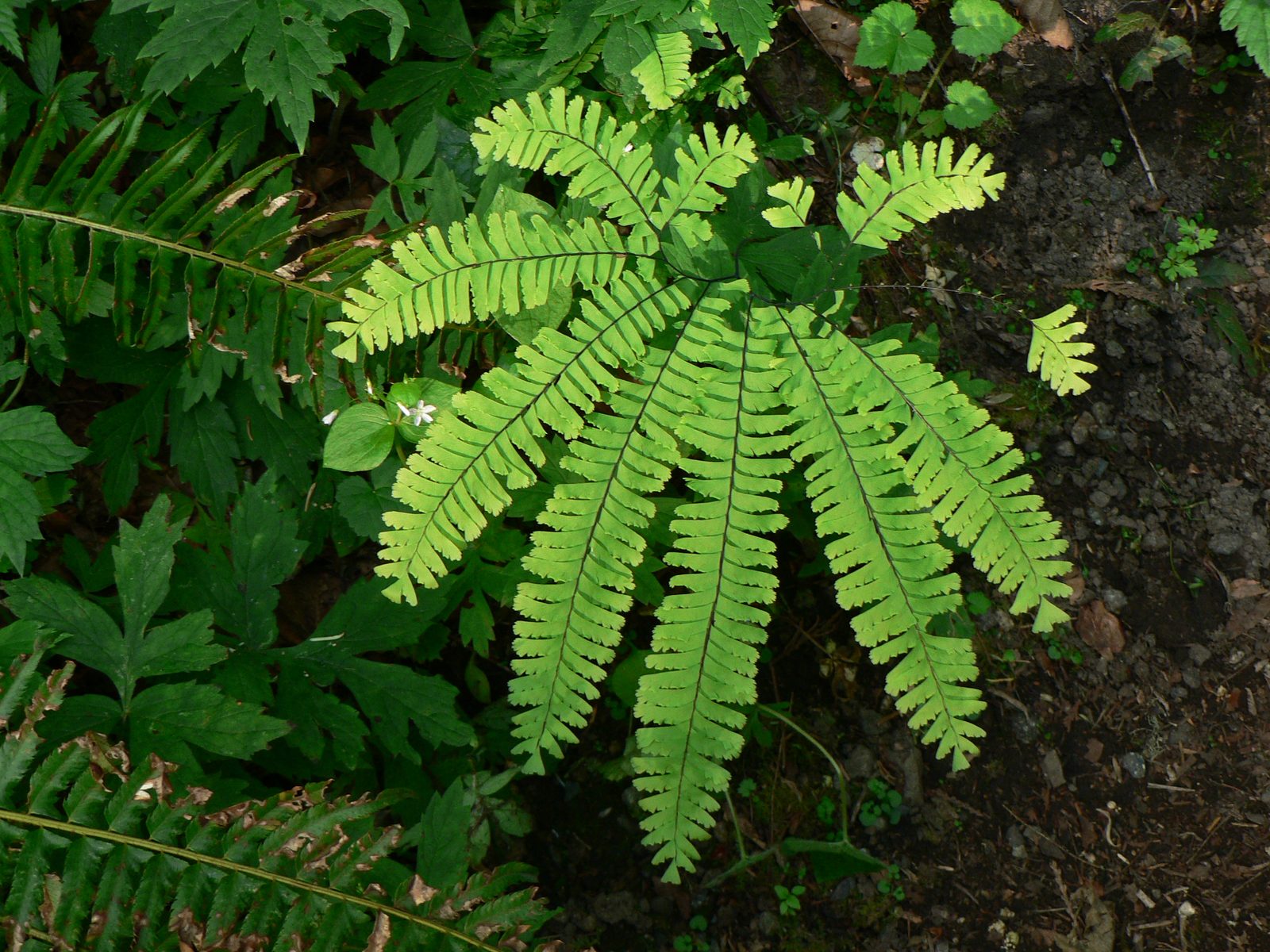
Maidenhair
Adiantum
Also known as Maidenhair fern, Venus hair fern, Southern maidenhair.
Maidenhair fern is a delicate, fan fronded fern found in damp, shaded, often limestone habitats across warm temperate and subtropical regions worldwide, with Adiantum capillus-veneris the species most used medicinally. The fresh or dried fronds have long been made into a soothing syrup and infusion in European and North American eclectic practice, valued for calming irritated airways and easing dry coughs. It also carried a reputation as a hair tonic when used as a rinse, and as a gentle emmenagogue in folk gynecology.

Ask Herbert about Maidenhair. Herbert is the master herbalist inside Bountiful Herbs: he answers from this plate and eleven hundred others, with dosing, pairing and cautions. Your first ten questions are free.
Ask HerbertActions
Indications what the tradition reached for it in
- Dry irritating cough
- Bronchitis
- Sore throat and hoarseness
- Common cold with chest tightness
- Delayed or scanty menstruation
- Low grade fever
- Catarrh
- Hair loss and dull hair (topical rinse)
- Mild urinary complaints
- Insect stings (topical, traditional)
Specific indications
Dry, tickling cough with scanty sputum and a hoarse voice, worse for talking
Amenorrhea or delayed menses in a person with a persistent low grade cough or chest cold
Safety
Pregnancy: Not safe. Avoid in pregnancy except under qualified supervision: AHPA Botanical Safety Handbook class 2b, reflecting its traditional emmenagogue action.
Pregnancy, our record's flag: Caution. Use with care in pregnancy (our record's flag)
Pregnancy, published rating: Not safe. AHPA Botanical Safety Handbook class 2b (not recommended in pregnancy except under qualified supervision)
Breastfeeding: Limited data. Insufficient safety data for lactation; use only with professional guidance given the plant's traditional galactagogue and emmenagogue reputation.
The record lists 3 contraindications; open the plate in the library to read them in full.
In practice
Maidenhair earns its place for the dry, unproductive cough that keeps a patient talking themselves hoarse, especially where the throat feels raw and tickly rather than congested. It is gentle enough to pair with other demulcents such as marshmallow leaf or licorice for a soothing pectoral syrup, and older practitioners favored the classic capillaire syrup, a simple sweetened infusion, for children and for singers or public speakers with vocal strain.
Dosing as the sources wrote it
| Preparation | As written | Metric |
|---|---|---|
| Infusion | 2-4 g dried frond as infusion, up to three times daily | |
| Tincture (1:5, 45%) | 2-4 mL three times daily | 2-4 mL |
| Syrup (capillaire style) | 5-10 mL as needed for cough, up to three times daily | |
| Doses: Decoction (℥j to aqua Oj), dose, 1 to 4 fluid ounces. | ||
| Infusion (℥j to aqua Oj), dose, 1 to 4 fluid ounces. | ||
| Syrup (adiantum 1 part, boiling water 10 parts, sugar 19 parts; infuse, adding the sugar after the syrup has been strained), dose, 1 or 2 tablespoonfuls. |
Doses are reproduced from the sources for practitioners and are not a recommendation for any person.
From the sources
Overview. Maidenhair fern is a delicate, fan fronded fern found in damp, shaded, often limestone habitats across warm temperate and subtropical regions worldwide, with Adiantum capillus-veneris the species most used medicinally. The fresh or dried fronds have long been made into a soothing syrup and infusion in European and North American eclectic practice, valued for calming irritated airways and easing dry coughs. It also carried a reputation as a hair tonic when used as a rinse, and as a gentle emmenagogue in folk gynecology.
Clinical Notes. Maidenhair earns its place for the dry, unproductive cough that keeps a patient talking themselves hoarse, especially where the throat feels raw and tickly rather than congested. It is gentle enough to pair with other demulcents such as marshmallow leaf or licorice for a soothing pectoral syrup, and older practitioners favored the classic capillaire syrup, a simple sweetened infusion, for children and for singers or public speakers with vocal strain.
Action, Medical Uses, and Dosage. Maidenhair is refrigerant, expectorant, tonic, and subastringent. In decoction it forms an elegant refrigerant drink in febrile diseases and in erysipelas, and is also beneficial in coughs, chronic catarrh, hoarseness, influenza, asthma, etc. It is likewise reputed efficacious in pleurisy, and in jaundice.The decoction or syrup may be used freely. These plants are highly valued by some practitioners, and deserve investigation. Doses: Decoction (℥j to aqua Oj), dose, 1 to 4 fluid ounces. Infusion (℥j to aqua Oj), dose, 1 to 4 fluid ounces. Syrup (adiantum 1 part, boiling water 10 parts, sugar 19 parts; infuse, adding the sugar after the syrup has been strained), dose, 1 or 2 tablespoonfuls.
History and Chemical Composition. The maidenhair ferns contain a volatile oil, sugar, tannin, mucilage, and a bitter principle. The A. pedatum is a common fern in the moist, rich soil of the American woods, and is found also in Eastern Asia. The A. capillus Veneris is a native of Europe, but, according to Englemann, is naturalized in Florida, Texas, and Arkansas, and westward to California. The European species is used in preparing a syrup called Sirop de capillaire, which is popular in France and Germany as a mucilaginous pectoral. The plants yield their virtues to boiling water, and are used in decoction, infusion, or syrup.
Drawn from King's American Dispensatory, 18th edition (Felter and Lloyd), and the Bountiful Herbs editorial.
Nearby on the shelf
 Madagascar PeriwinkleCatharanthus roseus
 Magnolia BarkMagnolia officinalis
 MahuaMadhuca longifolia
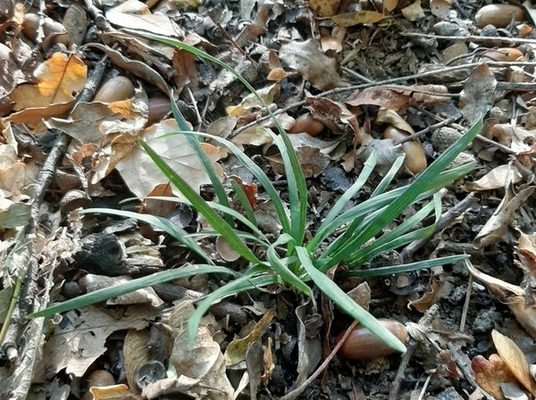 Mai Men DongOphiopogon japonicus
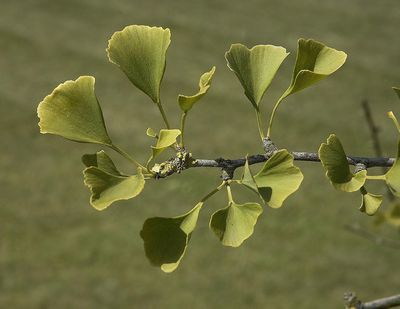 Maidenhair treeGinkgo biloba
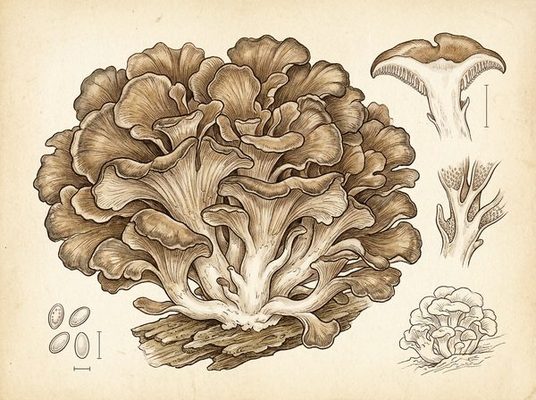 MaitakeGrifola frondosa
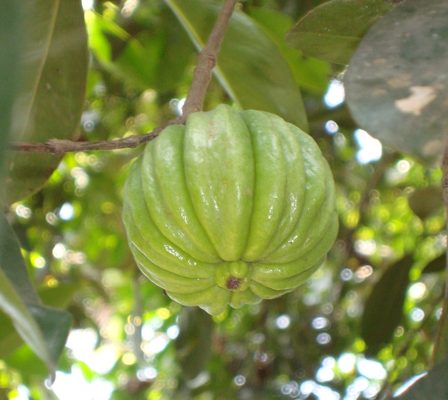 Malabar tamarindGarcinia cambogia
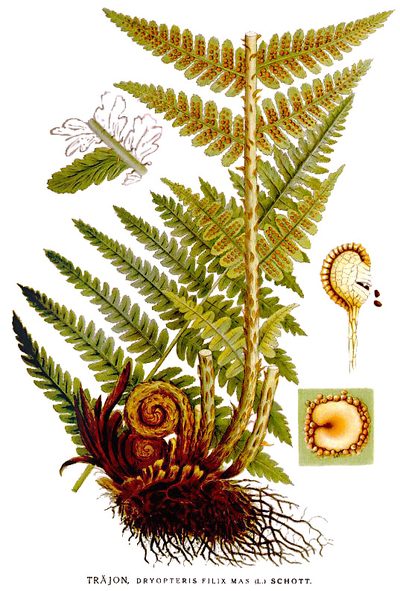 Male fernDryopteris filix-mas
The whole plate is in the library. The compass, Compare, the Sky of eleven hundred plants and the formulary open with an email address and a password, free, with the formula builder and its safety engine. Herbert in full, his formulating, clients, the handouts and the labels are the paid room.
Open the library, free