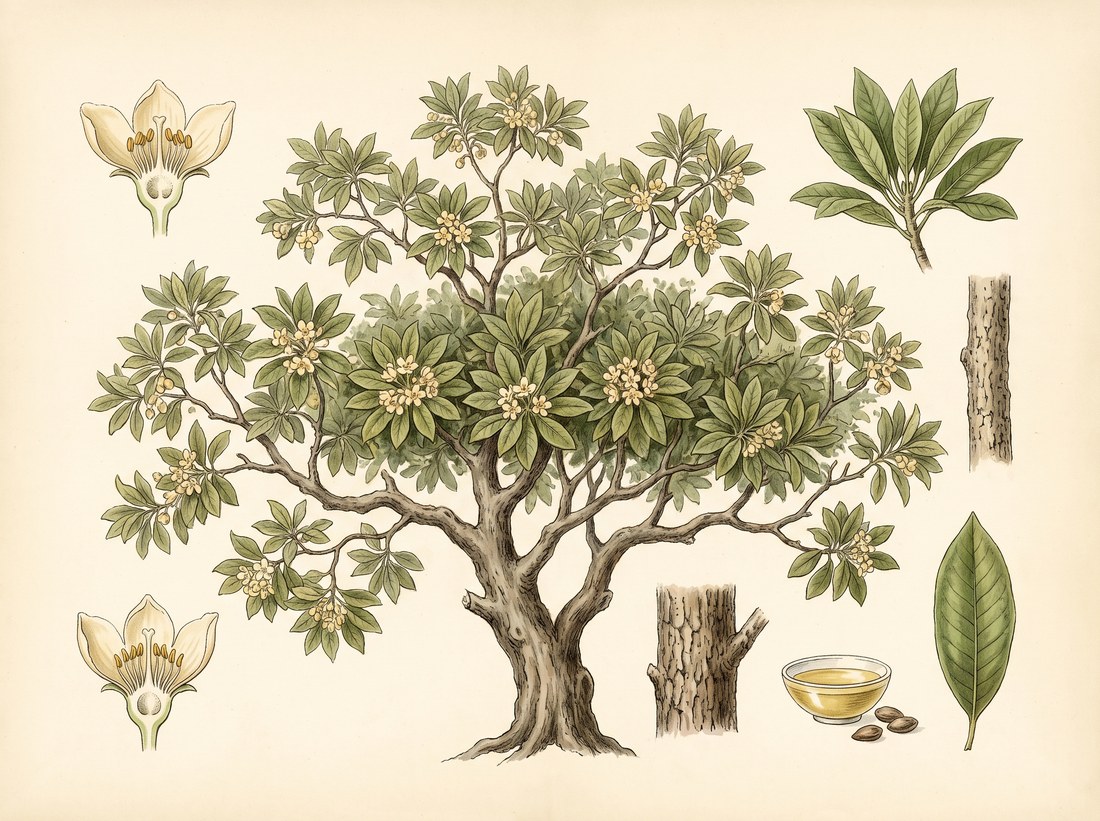
Ayurvedic Herbalism
Mahua
Madhuca longifolia
Also known as mahwa, butter tree, Indian butter tree, honey tree, Madhuka, Madhupushpa, Gudapushpa.
Madhuca longifolia is a large, spreading, semi-evergreen tree of the dry deciduous forests of central India, from Madhya Pradesh and Chhattisgarh across Jharkhand, Odisha, Maharashtra and Gujarat, where whole tribal economies rest on the harvest of its sweet, fleshy flowers each spring. Ayurveda knows the flower as Madhuka, distinct from the Madhuka that means licorice, and uses it as a sweet, cooling, nourishing food and medicine for weakness, cough, burning and poor lactation, while the bark serves as an astringent and the seed fat as a topical. The fermented flower liquor is also the traditional spirit of central India.

Ask Herbert about Mahua. Herbert is the master herbalist inside Bountiful Herbs: he answers from this plate and eleven hundred others, with dosing, pairing and cautions. Your first ten questions are free.
Ask HerbertActions
Indications what the tradition reached for it in
- Debility and undernutrition
- Dry cough and bronchitis with burning
- Poor lactation (flowers with milk, traditional)
- Burning sensations and thirst in hot weather
- Male sexual debility (traditional)
- Bleeding gums and mouth ulcers (bark gargle)
- Tonsillitis and pharyngitis (bark gargle)
- Chronic skin disease and eczema (seed oil and leaf, topical)
- Rheumatic joint pain (seed oil massage)
- Slow healing and diabetic ulcers (bark wash)
- Convalescence after fever with weight loss
- Mild insomnia with exhaustion (flowers in milk)
Specific indications
A thin, hot, tired patient with a dry tickling cough, thirst and burning, who needs sweet cooling nourishment rather than warming expectorants
The nursing mother who is underweight and exhausted with scanty milk, for whom the flowers cooked in milk are the village tonic
Bleeding, spongy gums and recurrent mouth ulcers in a pitta patient, treated with the bark decoction as a daily gargle
Cracked, itchy skin and aching joints in a cold season, treated with warmed mowrah butter
Safety
The record lists 8 contraindications; open the plate in the library to read them in full.
In practice
Madhuka flowers are food first and medicine second. The tradition gives them fresh or dried, boiled in milk with a little ghee, for weakness, wasting, dry cough, burning and poor lactation, and the flower syrup is a household cough remedy for children.
In Ayurveda
Rasa: madhura (sweet), kashaya (astringent) in the bark. Virya: sheeta (cooling). Vipaka: madhura (sweet). Guna: guru (heavy), snigdha (unctuous). Dosha: pacifies vata and pitta; increases kapha in excess. Karma: balya (strengthening); brimhana (nourishing, builds tissue); vrishya (aphrodisiac); stanyajanana (promotes breast milk); dahaprashamana (relieves burning); raktapittashamaka (checks bleeding of pitta origin); kasahara (relieves cough); vranaropana (heals wounds, bark); sangrahi (binds, bark); vatapittahara (pacifies vata and pitta). Classical indications: daurbalya (weakness); kshaya (wasting); daha (burning sensation); trishna (thirst); raktapitta (bleeding disorders); kasa (cough); shvasa (dyspnea); stanyakshaya (poor lactation); klaibya (male sexual dysfunction); vrana (wounds and ulcers, bark); danta roga (dental disease, bark); amavata (rheumatoid type joint pain, oil externally). The fleshy, sugary flowers are the classical drug and food, eaten fresh or dried, cooked with milk, made into the fermented Madhukasava, and boiled into a syrup for cough and burning; the stem bark is decocted as an astringent gargle and wash for bleeding gums, tonsillitis, ulcers and diabetic sores; the seed fat, mowrah butter, is a cooking fat and a base for rubbing oils in rheumatism and for skin disease; the leaf is a poultice for eczema and boils. Classical formulations: Madhukasava, Madhuka pushpa churna, Madhuka twak kwatha, Madhuka taila (seed oil, external), Madhukadi ghrita (regional), Kanakasava (in some regional recipes). Described in: Charaka Samhita, Sushruta Samhita, Ashtanga Hridaya, Bhavaprakasha Nighantu, Dhanvantari Nighantu, Raja Nighantu, Kaiyadeva Nighantu, Sharngadhara Samhita.
Dosing as the sources wrote it
| Preparation | As written | Metric |
|---|---|---|
| Pushpa (flowers in milk) | 10-20 g dried flowers boiled in milk once daily | 10000-20000 mg |
| Churna (flower) | 3-6 g flower powder twice daily with milk or ghee | 3000-6000 mg |
| Asava (Madhukasava) | 12-24 mL twice daily after food | 12-24 mL |
| Kwatha (bark), gargle or wash | 100-200 mL bark decoction used as a gargle or wound wash twice daily | 100-200 mL |
| Taila (seed fat), topical | 5-10 mL warmed seed fat massaged over joints or dry skin | 5-10 mL |
Doses are reproduced from the sources for practitioners and are not a recommendation for any person.
From the sources
Overview. Madhuca longifolia is a large, spreading, semi-evergreen tree of the dry deciduous forests of central India, from Madhya Pradesh and Chhattisgarh across Jharkhand, Odisha, Maharashtra and Gujarat, where whole tribal economies rest on the harvest of its sweet, fleshy flowers each spring. Ayurveda knows the flower as Madhuka, distinct from the Madhuka that means licorice, and uses it as a sweet, cooling, nourishing food and medicine for weakness, cough, burning and poor lactation, while the bark serves as an astringent and the seed fat as a topical. The fermented flower liquor is also the traditional spirit of central India.
Clinical Notes. Madhuka flowers are food first and medicine second. The tradition gives them fresh or dried, boiled in milk with a little ghee, for weakness, wasting, dry cough, burning and poor lactation, and the flower syrup is a household cough remedy for children.
Ayurvedic Profile. Rasa: madhura (sweet), kashaya (astringent) in the bark. Virya: sheeta (cooling). Vipaka: madhura (sweet). Guna: guru (heavy), snigdha (unctuous). Dosha: pacifies vata and pitta; increases kapha in excess.
Nearby on the shelf
 Ma huangEphedra sinica
 MacaLepidium meyenii
 Madagascar PeriwinkleCatharanthus roseus
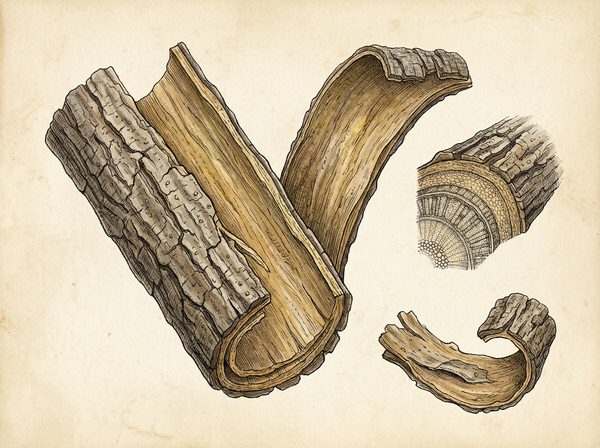 Magnolia BarkMagnolia officinalis
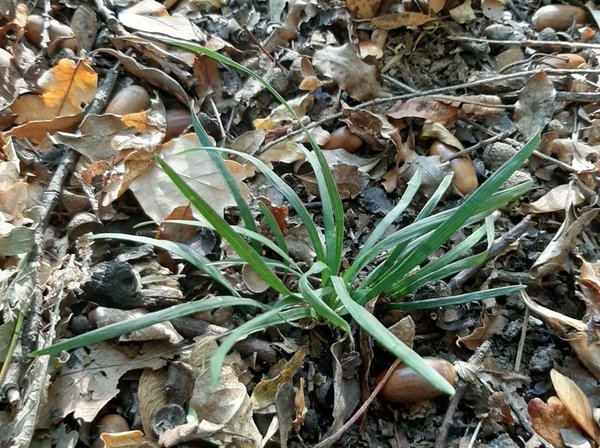 Mai Men DongOphiopogon japonicus
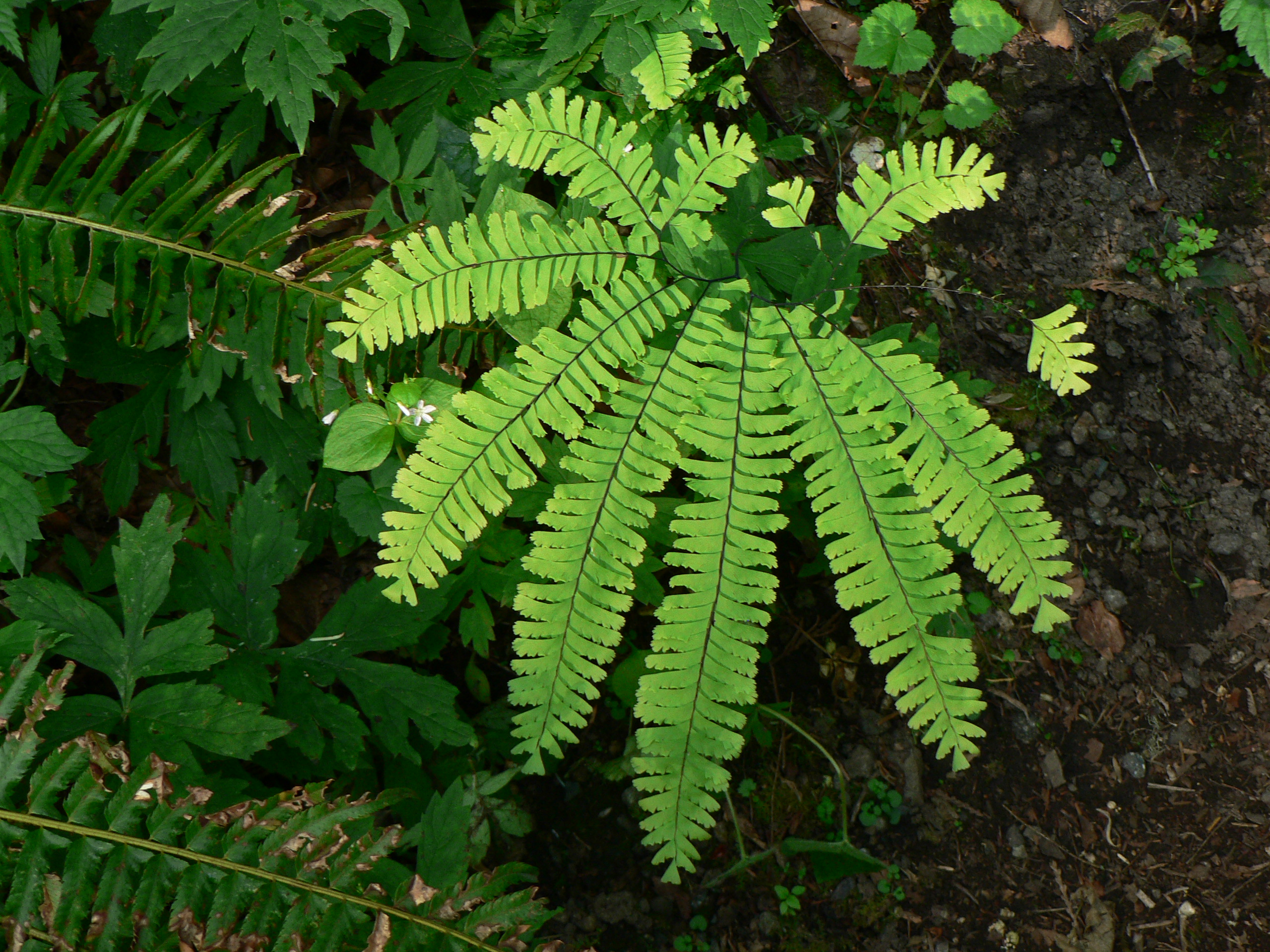 MaidenhairAdiantum
 Maidenhair treeGinkgo biloba
 MaitakeGrifola frondosa
The whole plate is in the library. The compass, Compare, the Sky of eleven hundred plants and the formulary open with an email address and a password, free, with the formula builder and its safety engine. Herbert without limit, his formulating, clients, the handouts and the labels are the paid room.
Open the library, free