Ayurvedic Herbalism
Dronapushpi
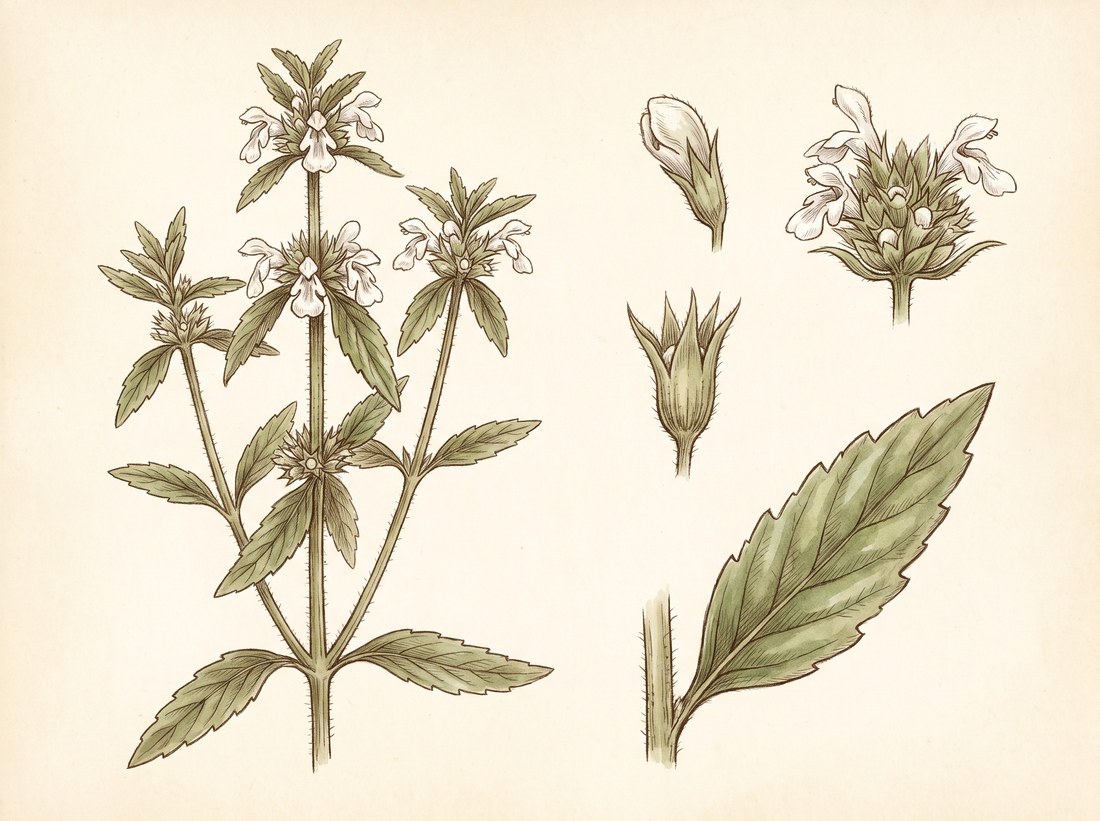
Leucas cephalotes
Also known as spider wort (regional, misleading), gumma, thumbai (shared with Leucas aspera), white dead nettle of India, Dronapushpi, Drona, Phalepushpa.
Leucas cephalotes is an erect annual herb of the mint family with square hairy stems and dense terminal heads of small white flowers, springing up as a weed in fields, fallow land and roadsides across the plains and lower hills of India and Nepal after the monsoon. Ayurveda knows it as Dronapushpi, the flower shaped like a leaf cup, a hot, pungent, bitter herb for fever, catarrh, cough and jaundice, and it is one of the most widely used household plants of rural India, particularly as fresh juice dropped into the nose for head colds and sinus congestion.

Ask Herbert about Dronapushpi. Herbert is the master herbalist inside Bountiful Herbs: he answers from this plate and eleven hundred others, with dosing, pairing and cautions. Your first ten questions are free.
Ask HerbertActions
Indications what the tradition reached for it in
- Fever with chills, including intermittent fever (adjunct)
- Head cold with nasal blockage and frontal headache
- Chronic sinusitis with thick discharge
- Cough with copious white mucus
- Mild asthma with kapha congestion (adjunct)
- Jaundice and hepatitis (supportive, traditional)
- Type 2 diabetes with dyslipidemia (adjunct)
- Loss of appetite with a coated tongue
- Intestinal worms in children (traditional)
- Scabies, itching and insect bites (topical)
- Inflamed swellings and sprains (poultice)
- Dengue and viral fevers (folk use, unproven)
Specific indications
A cold with a blocked nose, dull frontal headache and a heavy head where a few drops of the fresh juice in each nostril open the passages and clear the head, a use every rural household in India knows
Recurrent low grade fever with chills, poor appetite and a coated tongue in a damp season, the vishama jvara picture, where the decoction is given with ginger and long pepper
A chesty kapha patient with a wet cough, sinus fullness and sluggish digestion who needs one warming aromatic herb to address all three
Yellowing of the eyes and skin with loss of appetite in a mild hepatitis, where the folk practice of nasal drops and decoction accompanies proper liver care
Safety
Pregnancy: Avoid medicinal doses in pregnancy as a precaution: no published safety class is known to us, no human or animal reproductive data exist, and the herb is heating and sharp; the cooked plant as an occasional vegetable is regarded as acceptable.
The record lists 7 contraindications; open the plate in the library to read them in full.
In practice
The Ayurvedic practitioner uses Dronapushpi as a fever and kapha herb of the humble sort, gathered fresh rather than bought. Its best known application is nasya: the fresh juice of the leaves and flowers, two to four drops in each nostril, for blocked nose, sinusitis, frontal headache and, in folk practice, for jaundice, where the tradition holds that the yellowness drains through the nose.
In Ayurveda
Rasa: katu (pungent), tikta (bitter), lavana (salty). Virya: ushna (heating). Vipaka: katu (pungent). Guna: laghu (light), ruksha (dry), tikshna (sharp). Dosha: pacifies kapha and vata; aggravates pitta in excess. Karma: jvaraghna (relieves fever); kaphahara (reduces kapha); kasahara (relieves cough); shvasahara (relieves dyspnea); krimighna (anthelmintic); deepana (kindles digestion); pachana (digestive); kamalahara (relieves jaundice); shothahara (reduces swelling); vishaghna (counters poisons, especially snake and insect bites, folk); netrya (benefits the eyes, juice); rochana (improves taste and appetite). Classical indications: jvara (fever, especially intermittent and malarial fever); vishama jvara (intermittent fever); kasa (cough); shvasa (dyspnea and asthma); pratishyaya (rhinitis and head cold); kamala (jaundice); krimi (worms); shotha (swelling); agnimandya (weak digestion); aruchi (anorexia); kandu and pama (itching and scabies); sarpa damsha (snake bite, folk use). The whole flowering plant is the drug, used fresh as swarasa dropped into the nostrils for head cold, sinusitis and jaundice, decocted as kwatha for fever and cough, powdered as churna, made into a paste for skin disease and swellings, and eaten as a bitter pot herb in some regions. Classical formulations: Dronapushpi swarasa (nasya), Dronapushpyadi kwatha, Drona taila, Dronapushpi churna, Kamala hara yoga (folk), Jvarahara kashaya (regional variants). Described in: Bhavaprakasha Nighantu, Raja Nighantu, Dhanvantari Nighantu, Kaiyadeva Nighantu, Madanapala Nighantu, Ayurvedic Pharmacopoeia of India.
Dosing as the sources wrote it
| Preparation | As written | Metric |
|---|---|---|
| Swarasa, nasya | 2-4 drops fresh juice in each nostril once or twice daily | 0.04-0.08 mL |
| Swarasa, internal | 10-20 mL fresh plant juice once or twice daily | 10-20 mL |
| Kwatha | 30-60 mL decoction twice daily | 30-60 mL |
| Churna | 3-6 g powdered whole plant daily in divided doses with honey or warm water | 3000-6000 mg |
| Kalka, topical | 5-10 g leaf paste applied to the affected area once or twice daily | 5000-10000 mg |
Doses are reproduced from the sources for practitioners and are not a recommendation for any person.
From the sources
Overview. Leucas cephalotes is an erect annual herb of the mint family with square hairy stems and dense terminal heads of small white flowers, springing up as a weed in fields, fallow land and roadsides across the plains and lower hills of India and Nepal after the monsoon. Ayurveda knows it as Dronapushpi, the flower shaped like a leaf cup, a hot, pungent, bitter herb for fever, catarrh, cough and jaundice, and it is one of the most widely used household plants of rural India, particularly as fresh juice dropped into the nose for head colds and sinus congestion.
Clinical Notes. The Ayurvedic practitioner uses Dronapushpi as a fever and kapha herb of the humble sort, gathered fresh rather than bought. Its best known application is nasya: the fresh juice of the leaves and flowers, two to four drops in each nostril, for blocked nose, sinusitis, frontal headache and, in folk practice, for jaundice, where the tradition holds that the yellowness drains through the nose.
Nearby on the shelf
 Dong QuaiAngelica sinensis
 Dragon BoneFossilia Ossis Mastodi
 Dragon's BloodDaemonorops draco
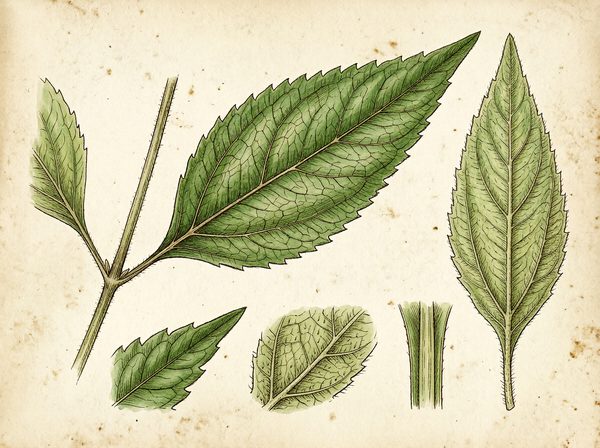 Dream HerbCalea zacatechichi
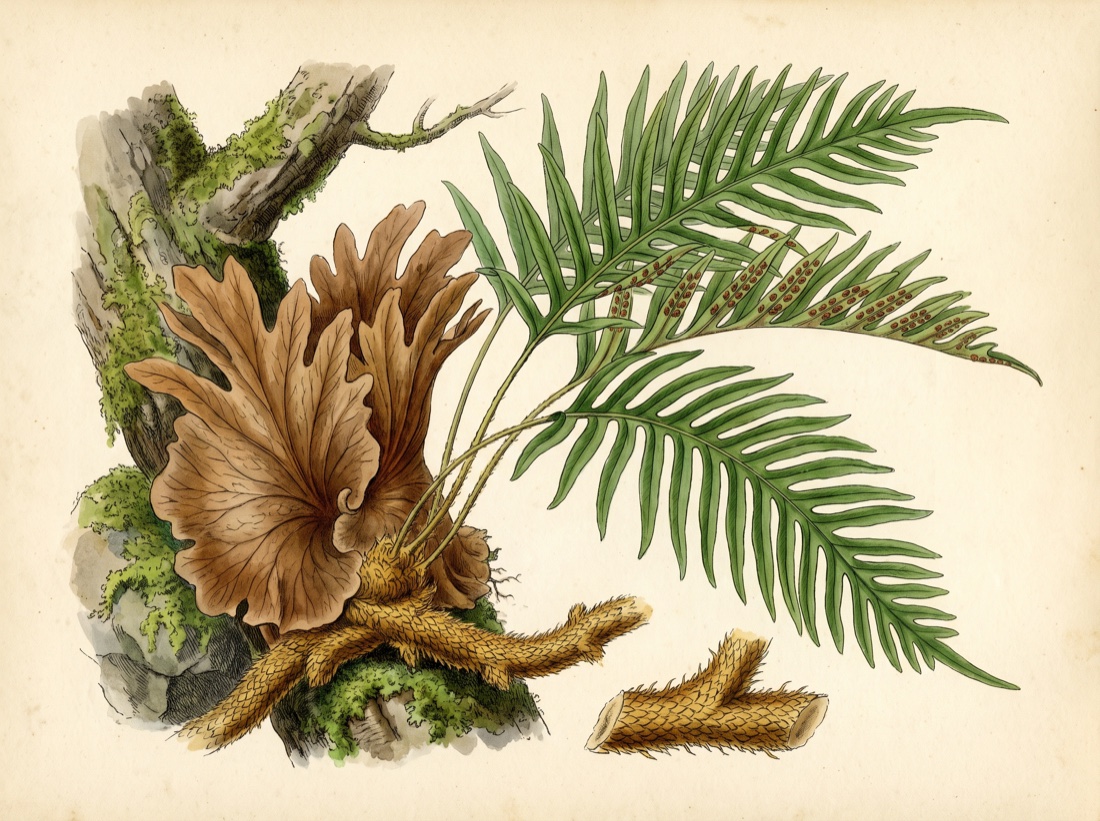 Drynaria rhizomeDrynaria roosii
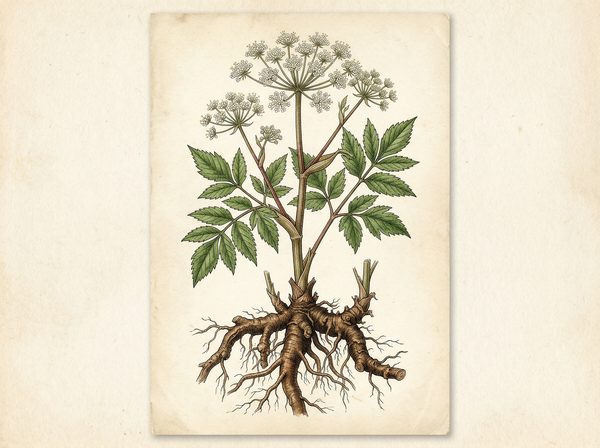 Du HuoAngelica pubescens
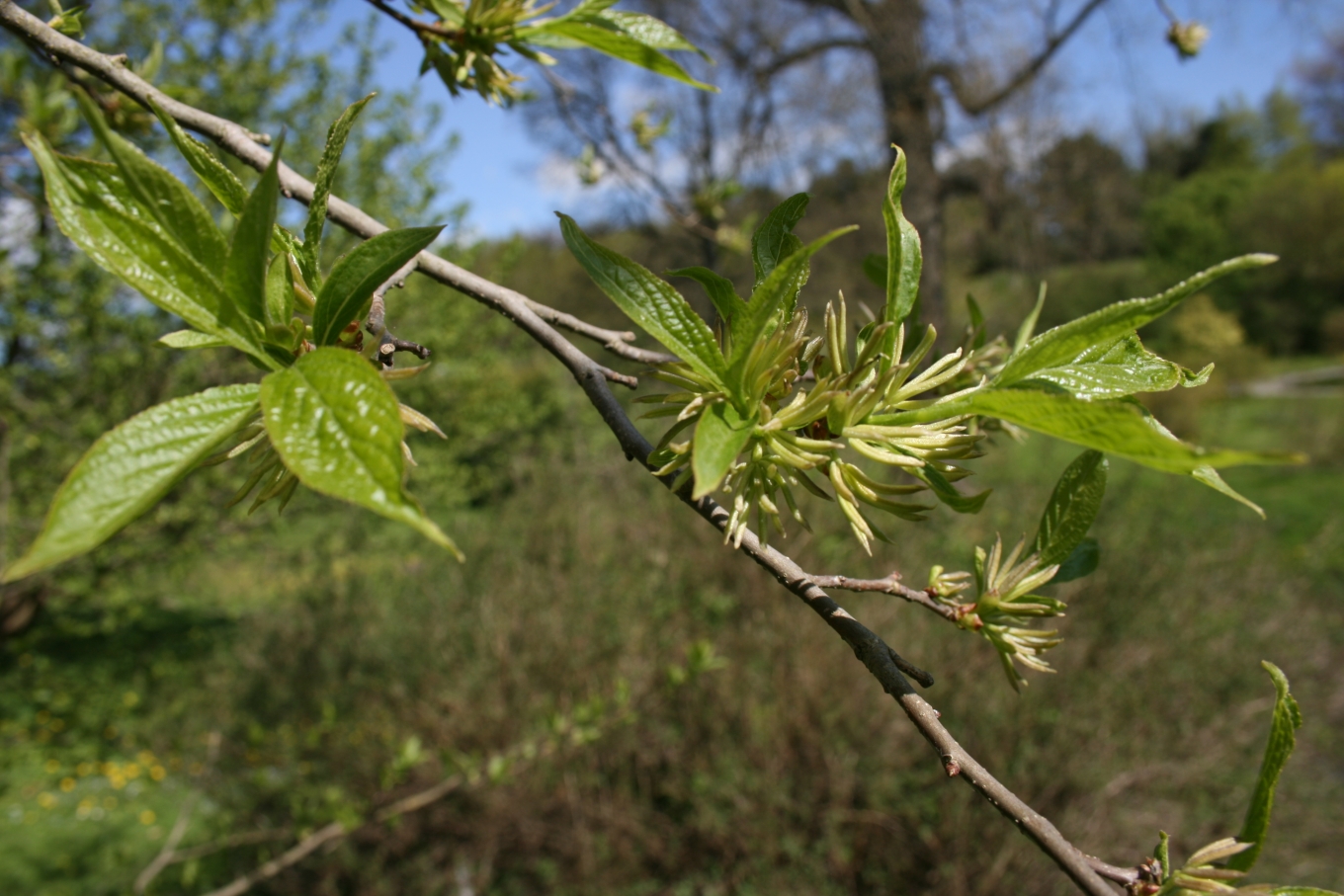 Du ZhongEucommia ulmoides
 DuboisiaDuboisia myoporoides
The whole plate is in the library. The compass, Compare, the Sky of eleven hundred plants and the formulary open with an email address and a password, free, with the formula builder and its safety engine. Herbert without limit, his formulating, clients, the handouts and the labels are the paid room.
Open the library, free